
Comprehensive car insurance covers against theft, weather and non-collision damage. Understand coverage, cost, advantages and disadvantages and timing on purchase.
Introduction
The most misconstrued component of an auto insurance is comprehensive car insurance. The reason why many of its drivers purchase it is due to the fact that a lender needs it, but other drivers will skip it and never actually know what it is that they are forfeiting. The fact is that, this coverage may be highly useful in one case, and it may be unneeded in another.
This manual simplifies all that in simple terms. You will know about comprehensive car insurance, its definition, coverage, limitations, price and how to determine whether it suits you or not. You may either be driving a brand new car, an old one, or a mix of both, but this article will assist you to make a decision that you can confidently make.
Comprehensive Car Insurance: What Is This?
Comprehensive car insurance refers to a kind of auto insurance cover that covers the loss as a recourse to repair or replace your car when it is wrecked due to an event other than the collision. In a simple manner, it insures your car in case of occurrences which are largely beyond your control.
Compared to the case of liability insurance that protects the other individuals, or collision insurance that covers the cases of accident of the car with other cars or objects, comprehensive car insurance is concerned with the non-collision events such as theft, weather damage, fire, and vandalism.
This is optional when you are the owner of the car in full ownership but in most cases, this is mandatory when the vehicle is financed or on lease.
What Does Comprehensive Car Insurance Cover?
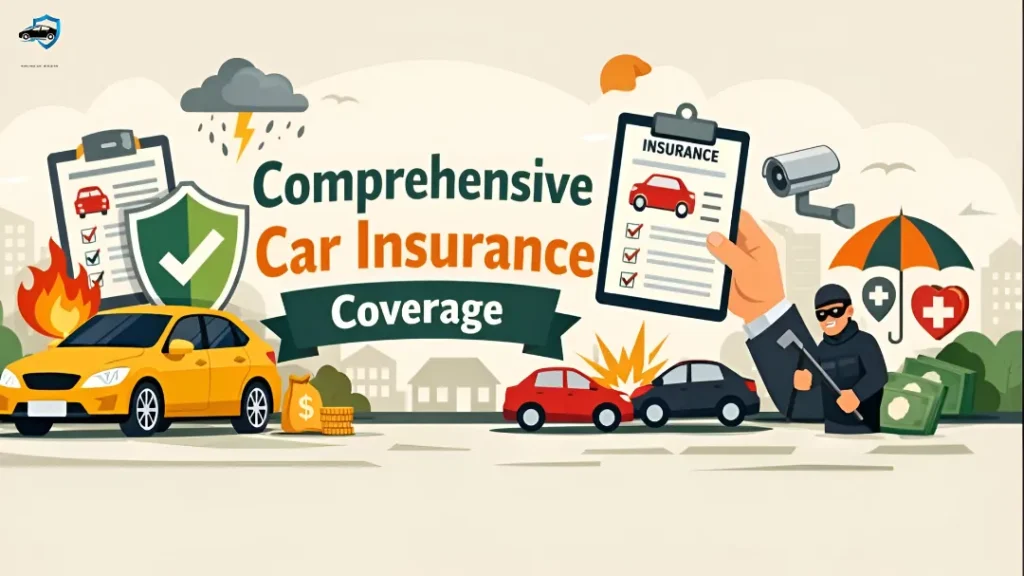
The wide coverage is one of the primary motivations of drivers to take a comprehensive car insurance. Although the insurance companies cover different percentages of risk, depending on the insurer, most insurers cover the same kind of risks.
Theft and Attempted Theft
In case your car is stolen or damaged in the attempt to steal it, you may apply comprehensive car insurance to pay the cost of repair or replacement of the car depending on the actual cash value of the vehicle.
Vandalism and Civil disturbance.
The destruction caused by graffiti, keying, broken windows or riots is normally covered. Such things usually occur when your vehicle is parked and therefore this coverage is very applicable to those who drive in the city.
Natural Disasters and weather.
Typical car insurance Normally covers damage of:
- Hailstorms
- Windstorms
- Flooding or rising water
- Hurricanes and tornadoes
- Lightning strikes
- Earthquakes
- Fire
The most frequently used comprehensive claims include weather related claims especially in places that are likely to experience storms.
Animal-Related Damage
When one hits a deer, elk, or any other animal, it is regarded as a non-collision event. Destruction by chewing of wires by animals, or nesting under the hood could also be covered.
Falling Objects
In case the tree branch, rock, or other object falls on your car, the comprehensive car insurance will normally cover the damage.
What is not included under Comprehensive Car Insurance.
Although the comprehensive car insurance is a wide cover, it does not cover all. Learning about what is not covered is as significant as learning about what is covered.
Collision Damage
When your car crashes into another car, fence, wall, rolls over those are covered by collision insurance not comprehensive car insurance.
Medical Expenses
Personal injury protection/medical payments coverage, rather than comprehensive car insurance is used to cover injuries to you or your passengers.
Damage to Other Vehicles
Liability not comprehensive car insurance but rather, Liability insurance takes care of the damage that you do to the vehicle of another person.
Personal Belongings
Things that are stolen in your vehicle, including laptops or phones, are typically a homeowners/renters plan, not a comprehensive car insurance plan.
Comprehensive Car Insurance vs. Collision Insurance.
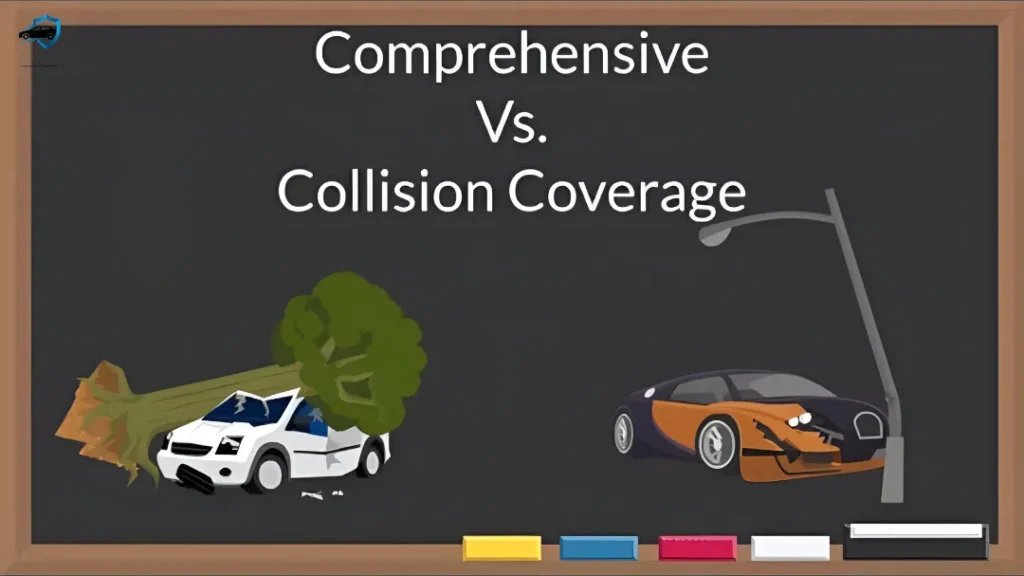
These two coverages are very confusing to many drivers, as they are used differently.
Key Differences Explained
Extensive car insurance includes non collision coverage such as theft, weather, and vandalism. Collision insurance refers to damage formulated as a result of accidents in vehicles or objects, irrespective of fault.
The majority of full coverage auto insurance cover incorporates both forms. They offer extensive coverage to your vehicle in virtually any circumstance.
Is Comprehensive Car Insurance Required?
The issue of comprehensive car insurance being compulsory or not is determined by the way you possess your car.
Financed or Leased Vehicles
In case of a financed or leased car, car insurance and collision cover is hardly ever inspected by the lenders. This secures their investment interest in the car.
Paid-Off Vehicles
Comprehensive car insurance is optional in case of car ownership by the owner without a mortgage. You are able to add or subtract it whenever you feel, based on your requirements and budget.
The Pricing of Comprehensive Car Insurance?
The price of a full car insurance is very diverse depending upon a number of factors. It is also one of the cheaper forms of auto insurance cover on an average.
Price Determining Factors.
- Vehicle value
- Your location and zip code
- Crime rates in your area
- Weather risks
- Driving history
- Deductible in the insurance.
Comprehensive claims are not common as compared to collision claims, and hence the premiums are lower.
Deductibles and Premiums
The extensive car insurance is subject to a deductible. The higher the deductible used, the lower your premium and the opposite is also true. The correct balance will be depending on the extent to which you can pay out of pocket.
Is Comprehensive Car Insurance Worth It?
Risk and financial comfort is the decision-perfect way to decide whether to take a full car insurance.
Cases in Which It Makes Sense.
- You are a driver of a newer or high value car.
- Thou dost live in a place where thieves abound or vandalists.
- In your area, the weather is very harsh.
- You simply cannot afford to out of pocket replace your car.
Most of the time, total car insurance can save big financial headache in such situations.
When It Might Not Be Worth It
- Your car has low market value
- The deductible is near the value of vehicle.
- You are saving enough savings to self-insure.
In case, fixing or changing your car would not be economically stressful, you can opt to eliminate this cover.
Real-Life Examples of Comprehensive Car Insurance Claims
Example 1: Hailstorm Damage
A thunderstorm smashes a window and bangs the roof. The broad car insurance covers repairs excluding the deductible.
Example 2: Stolen Vehicle
A vehicle is stolen and it is not retrieved. Complete car insurance compensates the actual cash value of the vehicle, which assists the owner to replace the vehicle.
Example 3: Fallen Tree
A tree is blown down by a storm on a parked vehicle. Total car insurance takes care of the damage though there was no collision.
In-depth Insurance and Deductibles of car insurance.
A significant part of the comprehensive car insurance works with your deductible.
Selecting the appropriate Deductible.
An increased deductible will reduce the monthly expenses but will increase the out-of-pocket expenses in the event of a claim. A deductible with a low deductible is more expensive but more financially secure.
Select a deductible that you can easily afford in case of an emergency.
Is It Possible to Add or Delete Comprehensive Coverage at any Time?
In most cases, yes. Intensive car insurance may be added or canceled within an active policy term provided that your car qualifies.
But when your vehicle is leased/financed, dismantling coverage can breach your loan.
Comprehensive Car Insurance for Older Vehicles
There is a unique situation with older cars. The cash value of cars declines as the cars grow old, however, the premium may not decline by the same percentage.
A Simple Rule of Thumb
When your yearly comprehensive premium times ten is more than your car value then it might not be economical to retain the cover.
With that being said, even old cars are exposed to theft risk and weather exposure.
Comprehensive Car Insurance for Different Vehicle Types
Universal coverage does not only apply when it comes to normal vehicles.
Additional Vehicles That may be covered.
- Motorcycles
- RVs
- ATVs
- Snowmobiles
- Boats
The same collision-free principles tend to be used throughout the types of vehicles.
The Ways of lowering the price of comprehensive car insurance.
It has a number of clever methods to reduce your premium without compromising on protection.
Raise Your Deductible
One of the quickest methods of decreasing the cost of premium is to increase your deductible.
Improve Vehicle Security
To lessen the threat of theft and decrease premiums, alarm systems, immobilizers and secure parking may be used.
Bundle Insurance Policies
Auto and home insurance are usually combined and this attracts discounts.
Shop Around
The rates are quite different among the insurers. It can be economical to compare quotes.
Mostly Missguided Myths of Comprehensive Car Insurance.

“It Covers Everything”
It doesn’t. The medical costs and collision damages are not included.
“It’s Too Expensive”
All inclusive car insurance will be cheaper than the drivers think especially against collision insurance.
“I’ll Never Need It”
Numerous all-inclusive assertions are occasioned by uncertain incidents such as storms and theft.
The Role of Comprehensive Car Insurance in Full Coverage
Liability, collision and comprehensive car insurance are normally covered under full cover auto insurance. Although full coverage is not a type of policy, comprehensive coverage is a major aspect of the same.
Full coverage without car insurance would create large loopholes in cover.
Final Thoughts
Total car insurance does not involve anticipating the occurrence of bad. It is where you are ready when life takes you by surprise. These occurrences daily happen to drivers who had no idea of their impending occurrence; be it stolen cars, fallen trees and raging storms.
To a large number of individuals, full car insurance guarantees them comfort at an affordable price. To other people, particularly those who have older machines, it might no longer be applicable. The correct decision will be based on the value of your car, your financial status, and the dangers that surround you.
In the right choice, the extensive car insurance will not cover only your car. It will be able to guard your savings, your plans and your peace of mind.
FAQs Related to Comprehensive Car Insurance
1 . What does comprehensive car insurance mean?
Comprehensive insurance is used to cover any damage to your car, which is not associated with a collision (theft, fire, vandalism, floods, falling objects, or hitting an animal).
2 . Are extensive insurance cover obligatory?
No, full-time coverage is normally non-compulsory. But if you are financing or leasing your car lenders or leasing companies usually need it.
3 . What is not contained in comprehensive insurance?
It does not include losses due to collisions with another motor vehicle or object, ordinary wear and tear and machinery failures. Damage involving accidents is managed by collision insurance.
4 . What is the deductible in case of comprehensive coverage?
You select a deductible amount. You are expected to pay the deductible when you file a claim and the rest of the repair or replacement cost is covered by the insurer.
5 . Is full coverage insurance worth older car models?
It is based on the value of your car and your deducted value. In the event that the cost of cover is near to the actual value of the car, it might not be worth carrying.