
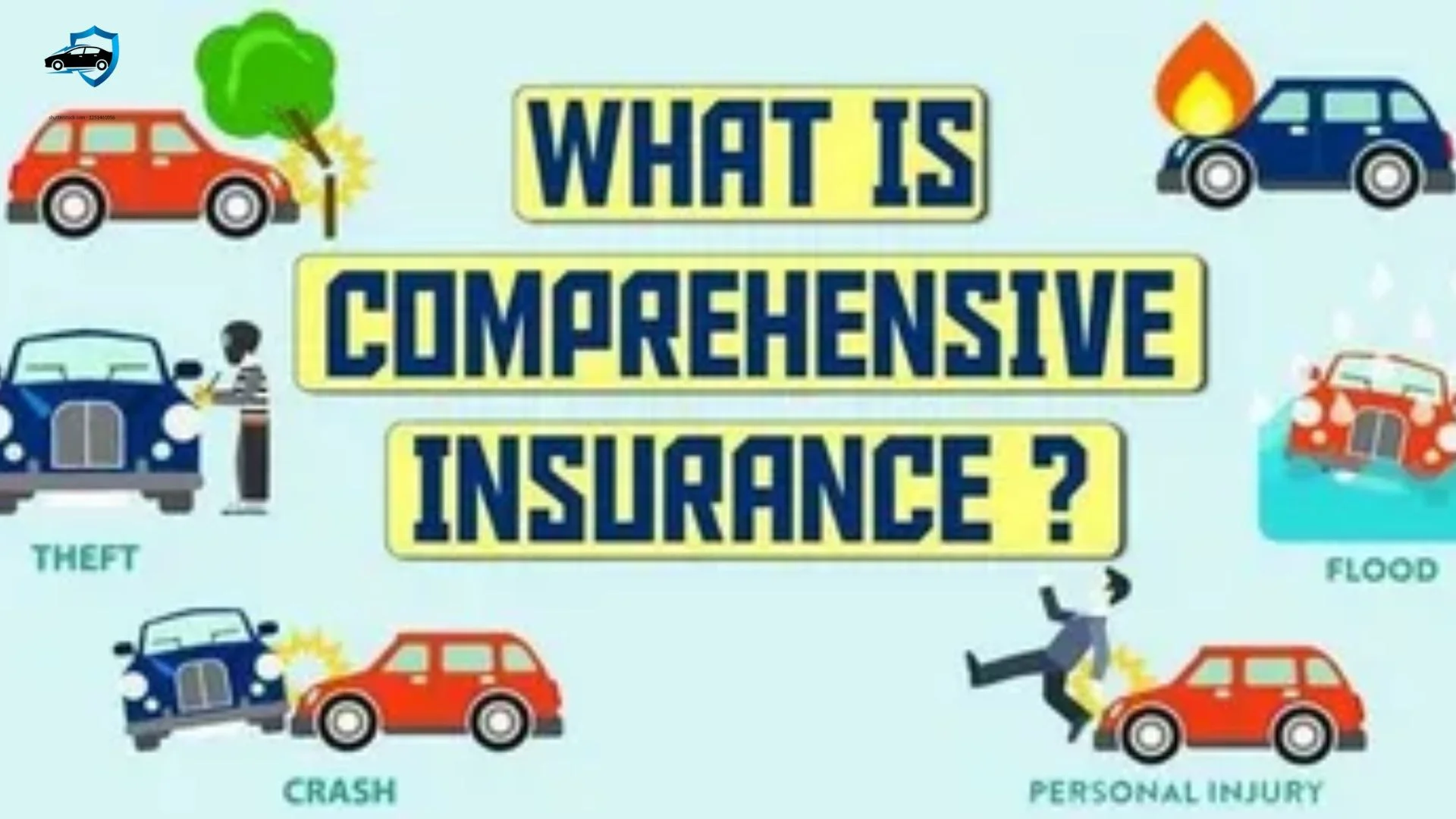
Comprehensive insurance offers broad coverage for cars, homes, and properties, protecting against accidents, theft, natural disasters, vandalism, and more. This guide explores the benefits, costs, exclusions, and when it’s appropriate to choose comprehensive coverage for your assets, providing financial security and peace of mind in unexpected situations.
Introduction
But Advise is insurance, for its own kind — the most trusted way to underwrite a car or home after an undue amount of material loss. This is because life can be unpredictable and accidents, thefts, natural disasters, vandalism or other events can happen in an instant. The take in these instances can be significant, often leaving people or companies on the hook to pay to repair or replace goods. In general insurance protects you against that risk, and provides financial support, and assistance to those affected by a loss to return back to normal again.
If there is one universal truth about insurance, it is that not all policies cover the same assets. Certain types of insurance only cover the damage you cause to other people, such as liability coverage for injury or property damage. Others may only react to certain types of potential collision, accidents — leaving whole swathes of threats in the dark and unprotected. This narrow cover expose asset owners to possibly large financial gaps. Comprehensive coverage, by contrast, is more all-encompassing protection. It groups different weather types or polices of insurance into a single cast to protect respective types of security reasons i.e negative injury (fire, deluge and earthquake) and protection against theft mòr evil acts.
It therefore becomes even more essential you think about the implicit value of full insurance, not just a bottom line financial payment. It ensures long term peace of mind so that a vehicle owner, home owner or business operator can conduct their everyday business as usual or go on holidays without worrying about possible losses. Comprehensive coverage also is vehicle-specific and protects you from damage in the event of a hailstorm, hitting an animal or accidental fire. For homes and businesses, it includes things such as theft, vandalism or flooding that can lead to expensive repair work — or total property loss.
In most cases personal accidents are covered, therefore applicable for motorists, passengers or property owners, even if the car were to make a claim for damage with comprehensive coverage. In addition to these types of basic policies, most insurers have additional options such as rental vehicle coverages, roadside assistance and transit coverage that stretch the limits of your car coverage and tailor it to meet individual needs.
From the financial angle as well, comprehensive insurance saves a big chunk of cash in the long run. And once you lose that, even minor setbacks — a cracked windshield or laptop left behind — can turn into an overgrown surprise expense. With coverage, those losses are transferred to the insurer so all the policyholder has to worry about is getting back on track without an acute cost headache.
Finally, new assets or the asset being financed usually может или should be full covered. Many lenders require this to secure their investment and is the way to ensure that if there is a destruction, the equals shall be fixed or described. Be aware that if you own a car or property outright this policy isn’t essential, although it can be considered useful as an investment for those who want to protect themselves from the unknown. Comprehensive insurance coverage is….
What Is Comprehensive Insurance?
With all that coverage, you have to just set some risks aside, and this is what comprehensive insurance definition is an insurance against a lot of risk as long as they are not basic liability or collision coverages.
Unlike limited policies that apply only to damage you cause others, comprehensive insurance protects your own assets too. It applies to cars, property and business assets (though not in all circumstances; that varies by policy type).
The comprehensive insurance coverage in a motor policy includes:
- Third-party liability cover
- Own damage protection
That includes damage to another person, his or her vehicle or property — and also damage to your own vehicle if it wasn’t involving a collision.
Why Comprehensive Insurance Exists
Life carries unpredictable risks. Vehicles get stolen. Fires break out. Floods damage property. Falling objects crack windshields. Animals cross roads unexpectedly.
Standard insurance policies can’t cover this well. This discrepancy is what full coverage insurance aims to cover.
It serves as a financial backup plan to shield policyholders from dire, surprise bills that may be hard to pay for out-of-pocket.
Types of Comprehensive Insurance
Comprehensive Car Insurance
This is the most common form. It covers:
- Own damage to the vehicle
- Third-party bodily injury or death
- Third-party property damage
It also covers loss from theft, fire, vandalism or natural disasters, and damage in transit.
Comprehensive Property Insurance
Property policies provide coverage for homes, buildings and contents for:
- Fire
- Theft
- Storms
- Floods
- Earthquakes
- Malicious acts
Comprehensive Business Insurance
What does final software coverage include:
- Vehicles
- Equipment
- Inventory
- Physical assets
It allows the dispersion of risk in case of disaster or theft and reduces financial risks.
What Does Comprehensive Insurance Cover?
Most comprehensive insurance plans will cover the following (though coverage varies by provider):
- Accidental Damage: External factors including collisions, rollover events or other phenomena.
- Theft and Burglary: Loss due to:
- Vehicle theft
- Property theft
- Stolen parts
- House-breaking
- Fire and Explosion: Covers damage caused by:
- Fire
- Self-ignition
- Lightning
- External explosions
- Natural Calamities: Protection against:
- Floods
- Storms
- Hurricanes
- Cyclones
- Earthquakes
- Hailstorms
- Volcanic eruptions
- Vandalism and Malicious Acts: Intentional damage such as:
- Broken windows
- Scratches
- Spray paint
- Deliberate destruction
- Animal Damage: Damage caused by:
- Deer
- Cattle
- Wild or domestic animals
- Falling Objects: Includes:
- Trees
- Branches
- Debris
- Construction material
- Damage During Transit: Also protects against loss during transport of the vehicle, such as:
- Road
- Rail
- Inland waterways
- Air
- Lift or elevator
- Third-Party Liability: Covers:
- Bodily injury or death
- Damage to third-party property
- Legal costs with insurer approval
What Comprehensive Insurance Doesn’t Cover
You should also be aware of the exclusions.
- Driving Under Influence: Drugs or Alcohol — Coverage is NOT VALID while under drugs or alcohol when driving.
- Invalid Driving Licence: If there are no valid documents during driving, the claims will go denied.
- Mechanical or Electrical Breakdown: That doesn’t take into account normal wear and tear, engine failure or an electrical fault.
- Illegal Use: Coverage is not available if the vehicle is used for illegal activity.
- Outside Policy Area: Geographical Limitations Exclusion for loss or damage that occurs outside the geographical area specified in the policy.
- Personal Belongings: Unless otherwise stated, there are no coverage for property located in the vehicle.
Comprehensive Insurance vs Third-Party Insurance
Third-Party Insurance
- Mandatory in some countries
- Covers damage to others only
- Does not secure your own asset
- Lower premium
Comprehensive Insurance
- Optional but widely recommended
- Own Damage cover and the third-party liability
- Higher premium
- Wider protection
Third-party insurance meets legal needs. Luckily full coverage can be a true risk management strategy.
Comprehensive Insurance vs Collision Insurance
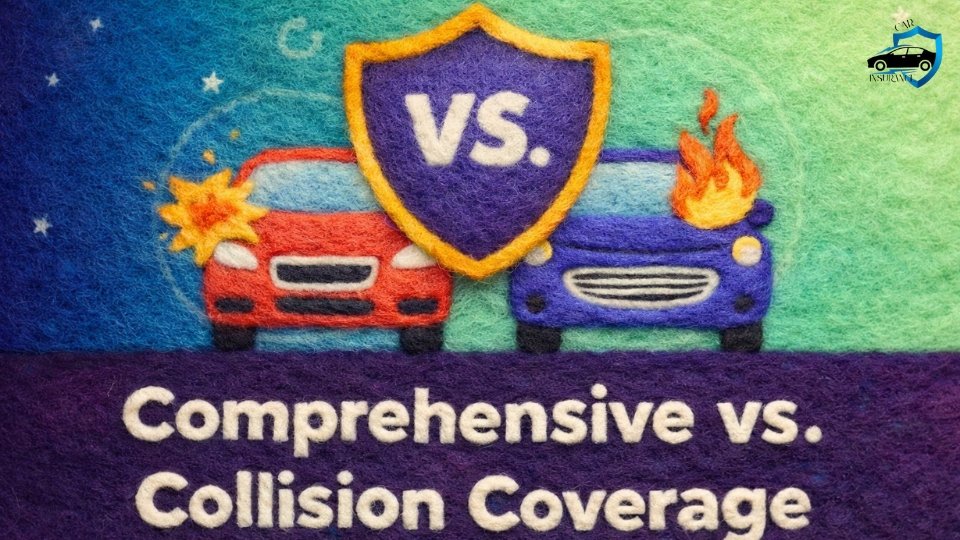
Collision coverage would cover damage caused when you hit:
- Another vehicle
- A wall
- A pole
- A tree
Liability insurance covers all other damages except the collision.
Each can be used by many policyholders for full insurance.
Cost of Comprehensive Insurance
Several factors affect the cost.
Key Pricing Factors
- Asset value
- Location
- Usage pattern
- Claim history
- Deductible amount
- Coverage limits
Typical Pricing Structure
For vehicles:
- (Paying ~2%–3% the value of your vehicle per year)
Low-deductible choices come with a premium, but mean higher out-of-pocket costs when claims are filed.
Deductibles Explained
A deductible is the amount that you must spend first, before insurance covers your costs.
Example:
- Vehicle value: 2,000,000
- Deductible: 50,000
- Claim amount: 300,000
- Insurance pays: 250,000
Selecting the appropriate deductible is a balance between cost and risk.
Is Comprehensive Insurance Worth It?
Comprehensive insurance makes sense if:
- The asset value is high
- Replacement cost is difficult
- Theft or weather risk exists
- The asset is financed
It may not suit:
- Very old vehicles
- Low-value assets
- Owners comfortable with self-insurance
When Comprehensive Insurance Is Required
Full coverage insurance is required by most lenders when:
- A car is purchased on loan
- Property is financed
- Equipment is leased
It is safeguarding the interest of a money-lending.
Benefits of Comprehensive Insurance
- Financial Protection: Reduces large, unexpected expenses.
- Peace of Mind: You have little worry about being stolen from, or disaster or vandalism.
- Asset Value Preservation: Depreciation is included in your maintenance cost.
- Legal Compliance Support: That is including compulsory 3rd part responsibility (if possible)
Common Myths About Comprehensive Insurance
- “It Covers Everything”: No policy covers all situations. Exclusions apply.
- “It’s Only for New Vehicles”: Older assets can benefit, risk permitting.
- “Claims Are Always Rejected”: Valid, properly documented claims get paid.
Add-Ons for Comprehensive Insurance
Many insurers offer optional add-ons.
- Zero Depreciation Cover: Reduces depreciation deductions.
- Engine Protection: Includes engine damage from leakage (mistakenly referred to water or oil leak).
- Roadside Assistance: Provides towing and emergency help.
- Personal Accident Cover: For bodily injury, or death.
How Claims Work
Step-by-Step Process
- Inform insurer immediately
- File claim form
- Provide documents
- Vehicle inspection
- Repair approval
- Settlement
Accurate information speeds up processing.
How to Select the Appropriate Full Insurance
- Assess Risk: Car makers also take into account theft rate, weather and how intended the use.
- Compare Policies: Look at coverage, exclusions and claims history.
- Check Insurer Reputation: Claim settlement ratio matters.
- Read Policy Wording: Understand limits and conditions clearly.
Comprehensive Insurance for Different Users
- For Daily Commuters: High usage increases risk. Coverage helps manage it.
- For New Vehicle Owners: Covers if your investment is lost or stolen right after you buy it.
- For Business Owners: Provides sustaining operations after loss events.
- For Property Owners: Reduces disaster-related financial loss.
How Location Influences Comprehensive Insurance
Risk varies by area:
- Flood zones
- High crime regions
- Storm-prone locations
Premiums reflect this risk.
Renewal and Policy Review
7 Policies must be reviewed yearly for:
- Update asset value
- Adjust add-ons
- Reassess deductibles
Neglecting renewals can leave you without coverage at all.
Future of Comprehensive Insurance
Policyholders now submit a claim online with pictures and receive live updates on progress, as digital claims processing becomes the new normal. This saves time, increases transparency and adds to the overall customer experience. Machine learning assessments of damage are also altering the way insurers assess risk and settle claims, Cambridge Analytica-style here as well, which has enabled faster settlements that collects data more accurately while minimizing the opportunity for human error in the process.
And they are not alone: usage-based pricing is taking over industry, too. Telematics | Insurers are using telematics devices and mobile apps to gain valuable insights into driving behavior, vehicle usage, and risk exposure. What this means is that policies can be more personalized — rewarding safe behaviors with lower premiums, and risk-worthy pricing for everyone.” Because of this changing event, insurance companies are striving to provide even deep coverage not only for vehicles but also they cover homes, businesses and other high-value assets.
Risk Management has been further enhanced by predictive analytics and big data. Moreover, insurance companies can give accurate predictions regarding potential risks, analyze the risk for natural disaster, and recommend preventive steps to take beforehand to avert losses of policy benefits. Such proactive measures will mitigate losses and initiate the cultivation of trust between insureds and insurers.
Trendy sections such as the efficient blockchain technology indicate a functional service to promote more transparency and security on insurance contracts that will bring about quicker validation and reduced fraud. Apps and platforms let customers update their policies anywhere, anytime and support is available around the clock: policy design itself has customer experience embedded in it.
The future of full insurance will be much more digital, data-driven and customer-focused. With features like fast-tracked claims processing, hyper-targeted coverage and better risk reporting for policyholders, insurance will be more efficient, easier to access and more trustworthy than ever.
Final Thoughts
It is one of the most secure methods to cover loan repayment risk for big ticket assets. If you own a newer car, your home or high-value business property, the types of risks that happen — and can result in loss: theft, accident, natural disaster and vandalism — are unpredictable. Such occurrences can stretch your finances when not adequately insured against. Comprehensive insurance is a neat solution to that, letting you wriggle out of most of this risk and generally providing you with an unambiguous path to recovery. Although it is often significantly more expensive than either minimal coverage or a third-party insurance, the amount of protection this type of insurance provides is worth paying extra for and ultimately saves you money over time as well as guarantees peace of mind.
But when looking at comprehensive insurance, many factors come into play: the value of your assets, the amount of risk you’re about to be exposed to and how ready your finances are. And this risk is especially prominent in high-value or often-used assets, so being covered entirely can be a wise move. In addition to protecting your property, full insurance has more advantages, like compensating for the accidents that could affect both the driver and passengers, as well as protecting them while in transit or from less foreseeable events such as falling objects or collisions with animals. It’s these benefits that make it so much more than an insurance policy; they give you a strategy for taking control of a financial risk before that risk becomes prison terms!
Full coverage is more than just direct cash protection. Yeah, when you have proper coverage, your future is covered. If you know how to plan your finances ahead of time, you can make up for any damages or losses without going broke, taking out a loan or postponing repairs. For asset owners, it could mean personal life stability or business as usual—no matter what. The last is full coverage insurance who maintains your asset worth. After all, vehicles, houses and other valuables tend to hold their shape much better if insurance claims are used to pay for timely repairs — something that can have an impact on resale value down the road, Kunkel said.
Full coverage is not just a worst-case scenario every day. All it takes is vandalism, or a chipped windshield or attempted theft, and those unexpected expenses pile up. If you have a full policy, those costs are usually covered, so it removes the worry about whether you can pay this upfront expense or not. That it can offer reassurance that is compelling enough for people and businesses to pay attention to the things they need to do in their lives without worrying about what might happen when some large-scale financial calamity happens.
Ultimately, full insurance is a choice you make based on risk (what risks do you have) awareness and the decision to prevent it from ever happening. Not; it’s about knowing what threats there are to your wealth and their consequences, therefore taking action in order to be of those few that do not find themselves vulnerable when accident, catastrophe or uncontrollable events occur. So dematerialized, the full-scale insurance introduces a layer of uncertainty to positive scenarios that can possibly make what might have been tremendously costly monetary problems into contexts mitigated absolutely and clearly by an individual.
If you value protecting your assets, securing yourself financially and in the long-run, purchasing full insurance is something that you should consider deeply. It covers a variety of risks, so you can have peace of mind that both yourself and your belongings are protected against common hiccups as well as rare surprises. Provided that the right policy is adopted, manage an ample amount of your cash easily so to achieve power through it without having difficulty in living be it intermittently or for pleasure, either travel or pursuits placed on one by travelling.
FAQs Related to Comprehensive Insurance
1 . What does comprehensive insurance cover?
Comprehensive insurance protects you against a broad range of risks, including theft, fire, vandalism, natural disasters (floods or earthquakes), animal collision can include damage from falling objects. It also includes damage to your own vehicle or property, regardless of whether the accident was a collision.
2 . Is comprehensive insurance mandatory?
Is comprehensive insurance mandatory? But it may be required for you by lenders if you’re financing or leasing a car. It is also recommended if you need broad coverage for your car, home or business property.
3 . What’s the difference between comprehensive and collision insurance?
Comprehensive, on the other hand, pays for damage to your vehicle or property caused by anything other than a crash — such as theft or damage from a tornado. Collision coverage, though, will pay for damages to your vehicle when you get into an accident with another car or object.
4 . Will comprehensive insurance cover my belongings in the car?
Most comprehensive insurance policies do not cover personal items in your car unless noted in your policy. Several insurers sell riders to cover personal property, but most comprehensive plans protect only the vehicle itself.
5 . What is the cost of comprehensive insurance?
Comprehensive insurance costs vary based on factors including your asset’s value, geographical area, driving history, coverage limits and deductible. As a rough estimate, full coverage car insurance can run about 2%–3% or so of your vehicle value each year.