
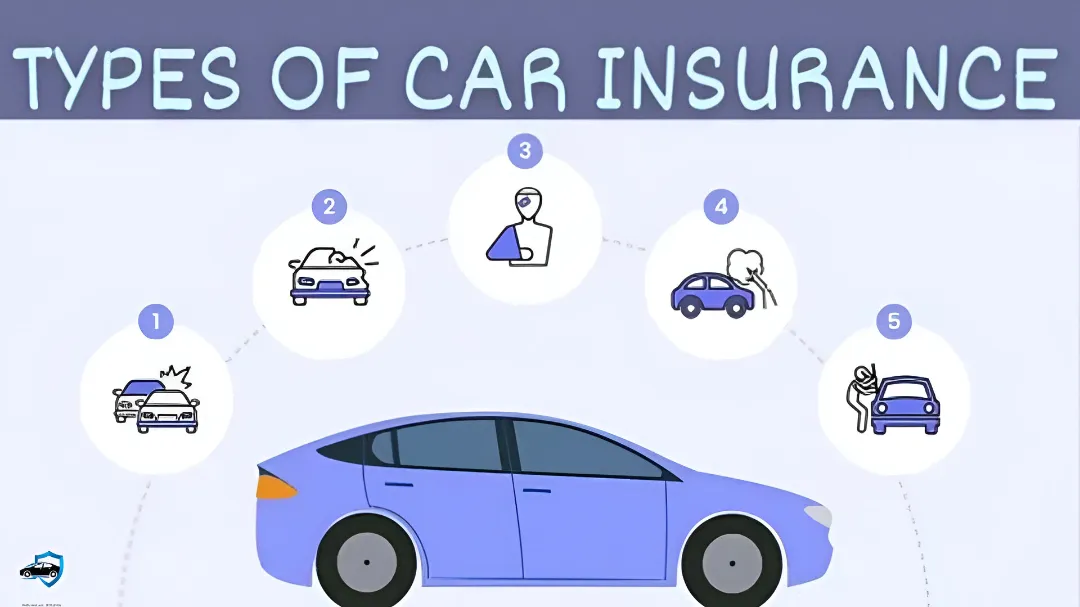
Find out what the different types of auto insurance is available in the USA Such as liability car insurance, collision car insurance, comprehensive car insurance and so on. This comprehensive guide will explain how the different types of car insurance work, what each policy covers (and doesn’t cover), typical gaps in coverage that trip up drivers and which types of coverage to consider based on your ride, lifestyle and budget.
Introduction
If you want true protection on the road, it’s mandatory to know the types of car insurance. Like just how coverage works, for example. This choice is fraught with problems in the future. Drivers are finding that following an accident, the policy they thought would cover repairs and medical costs — or help pay for other losses like lost income during a recovery time or rental car bills if their vehicle was totaled — doesn’t come near to covering what it’s supposed to. Knowing the types of car insurance help you not get confused, catch off guard with expenses or dispute on a claim.
Not surprisingly, insurance mistakes mostly occur when coverage details aren’t carefully vetted at the time of purchase. Drivers might think all policies operate the same way, but they do not. Each type of coverage fulfills a different need, and omitting a single one can leave you vulnerable to financial trouble. Once you comprehend car insurance types, you can pick coverage according to real driving habits instead of the so-called guesstimates.
Car insurance is not one-size-fits-all, with a uniform level of protection. It’s a package that combines various types of coverage for different risks on the road. Various different things such as accidents, theft, weather damage and injuries may lead to a need for different solutions. This guide sheds light on the types of car insurance available in the United States, demonstrates how each coverage type protects you, and explains how to shop for the policies that suit your vehicle, driving style, and budget.
Car Insurance Types Explained
Why Car Insurance Types Exist
Various driving risks need various solutions. Crashing a car into another vehicle invokes a different kind of fund problem than theft, fire or personal injury. Coverage is split into components that insurance companies offer to drivers based on their actual risk.
Motorists who know the various types of vehicle insurance enjoy several benefits:
- Fewer surprises during claims
- Better cost control
- Reduced financial exposure
- Clear understanding of policy limits
Each type of coverage provides an answer to a different question. Who pays for injuries? Who pays for vehicle damage? Who picks up the costs if the other driver is uninsured? The kinds of car insurance are there to provide an answer for those questions, plainly.
Liability Car Insurance
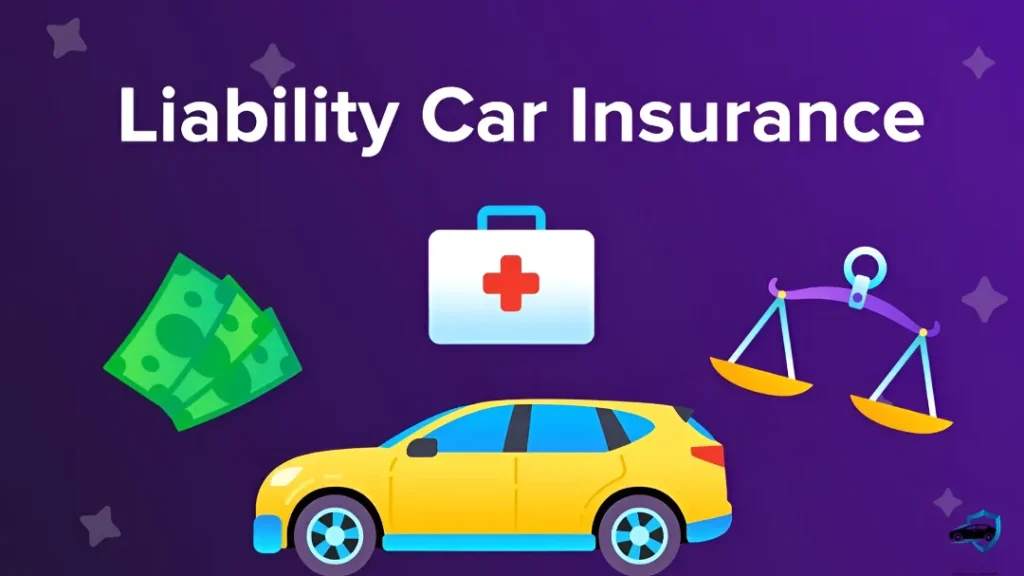
Automobile liability insurance is the basis of most auto insurance policies.
What liability insurance covers
- Medical bills for injuries inflicted by an accident you’re at fault in
- Cover for the costs of repairing or replacing someone else’s vehicle/property
Liability only covers other people’s cars, not yours. It serves to apply to the damage or injury caused by one person to another.
Why liability insurance matters
As for types of car insurance, liability covers legal responsibility, such as causing injury to others and their property, so you don’t have to foot the bill. High medical or repair costs can occur from even a low-impact accident. If you don’t have liability insurance, you’re on the hook for those expenses.
Collision Car Insurance
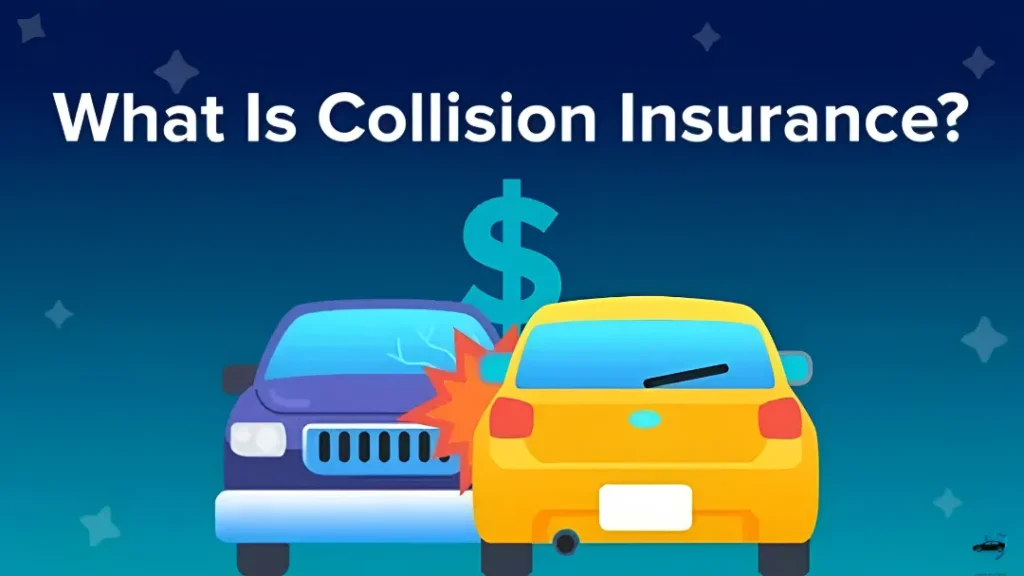
Collision insurance covers damage to your car after an accident.
Covered situations
- Collisions with other vehicles
- Single-car accidents
- Striking fixed objects, like poles or walls
Fault does not matter. If you have collision insurance, it will cover damages regardless of who is at fault for an accident.
When collision coverage is useful
In the kinds of car insurance, collision insurance works for drivers with newer cars, valuable cars or vehicles with existing loans. As vehicles get older and decrease in value, some drivers opt to drop menh this coverage in order to pay less on premiums.
Comprehensive Car Insurance
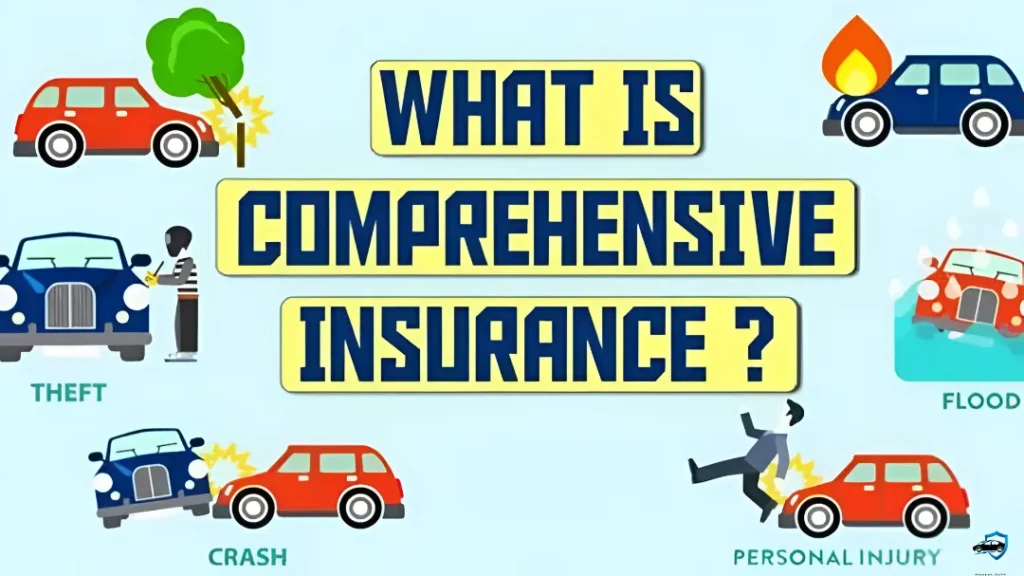
If you have comprehensive insurance it will cover non-collision damage to a car.
Common events covered
- Theft
- Fire
- Vandalism
- Floods and storms
- Falling objects
- Animal-related damage
This coverage insures against things you don’t have control over.
Why drivers choose comprehensive coverage
In types of car insurance coverage, there can be nothing more senseless than the comprehensive coverage because it is available to cover single time only risks. It usually costs less than collision coverage, which provides insurance against larger losses.
Personal Injury Protection (PIP)

Personal Injury Protection is intended for medical and rehabilitative expenses following an accident.
What PIP may cover
- Hospital treatment
- Rehabilitation services
- Lost wages
- Essential services during recovery
PIP is in place regardless of fault in no-fault states.
Role of PIP coverage
In the car insurance categories, PIP provides immediate access to medical benefits without establishing fault for liability. This reduces delays during recovery.
Medical Payments Coverage (MedPay)
Medical Payments provides restricted medical expense protection.
What MedPay covers
- Emergency medical treatment
- Hospital visits
- Passenger medical costs
MedPay cannot replace lost wages or pay for long-term recovery services.
Where MedPay Fits in the Coverage-Planning Process
Of the different types of car insurance, MedPay is ideal for drivers who desire only minimal medical assistance in case of an accident and are not interested in receiving full PIP benefits.
Uninsured Motorist Coverage
Uninsured motorist coverage is for your protection when the at-fault driver doesn’t have insurance.
What this coverage handles
- Medical expenses
- Injury-related damages
- Vehicle repair costs in some policies
Uninsured drivers are all too common despite laws demanding otherwise.
Importance of uninsured motorist coverage
Uninsured motorist insurance in types of car coverage prevents you from suffering monetary loss when a driver doesn’t have any insurance.
Underinsured Motorist Coverage
Underinsured motorist coverage kicks in if the at-fault driver’s insurance limits are not high enough.
What it pays for
- Remaining medical expenses
- Not Available expense from injury not covered by the other policy
This coverage is used after the other driver’s insurance is maxed out.
How it strengthens your policy
Of all the car insurance coverage options, underinsured motorist can save you from substantial financial woes arising from a serious matter after a car accident.
Gap Insurance
Gap insurance is for financed or leased cars.
What gap insurance covers
- The market value difference between the vehicle
- Any unpaid loan or lease amount
Vehicles depreciate quickly. Not to mention regular insurance may not cover the loan balance.
When gap insurance makes sense
Of the different kinds of car insurance, gap insurance is one that benefits drivers with small down payments, long loan terms or new cars. It eliminates debt after a loss.
Rental Reimbursement Coverage
What is rental reimbursement insurance? Rental reimbursement helps pay for transportation while your car cannot be used after a covered claim.
What it includes
- Short-term rental vehicle costs
- Policy defined daily and maximum limits
Coverage is at a covered repair only.
Who benefits most
Among the car insurance types, rental reimbursement is a good fit for drivers who depend on daily car use to get to work or handle family obligations.
Roadside Assistance Coverage
Roadside assistance offers support if your car breaks down or experiences a minor incident.
Typical services included
- Towing
- Flat tire assistance
- Battery jump-starts
- Lockout services
More convenience and not so much accident repair in this coverage.
Why drivers add roadside assistance
When it comes to the different car insurance coverage types, roadside assistance reduces stress in unforeseen roadside emergencies.
Classic and Specialty Car Insurance
Special interest insurance is for vehicles with particular value or special use.
Vehicles commonly insured
- Classic or vintage cars
- Luxury vehicles
- Modified or imported vehicles
These terms take into consideration infrequent use and special maintenance requirements.
How specialty insurance differs
In particular, for the different types of car insurance, specialist policies often use agreed-value pricing combined with a higher excess to reduce the cost of the premium.
How the Different Types of Car Insurance Work Together
Popular policy options: Most drivers bundle a couple of these coverages into the same policy.
A typical policy may include
- Liability coverage
- Collision coverage
- Comprehensive coverage
- Uninsured and underinsured motorist coverage
Each type of coverage deals with a separate specific risk. Taken together, these car insurance types offer balanced coverage.
What Kind of Car Insurance Do You Need?
“Choosing coverage is by no means a popularity contest.
Key factors to consider
- Vehicle age and condition
- Market value versus loan balance
- Driving frequency
- State insurance requirements
- Budget and deductible comfort
Review coverage limits carefully. They’re the reason premiums are low, but they also shift personal financial risk to you.
Cost Considerations: Things Related to What Kind of Car Insurance You Have
Insurance pricing reflects risk exposure.
Common pricing influences
- Driving record
- Vehicle repair costs
- Location and traffic levels
- Annual mileage
- Chosen deductibles
Changing deductibles alters how much you pay out of pocket, and when. Knowing these can help you control costs to both types of car insurance.
Common Coverage Gaps Drivers Overlook
Dozens of drivers have policies with soft spots.
Frequent gaps include
- No uninsured motorist coverage
- Minimal liability limits
- No collision coverage on new cars
- No gap insurance for financed vehicles
Understanding the types of car insurance can help you spot these gaps early.
Value in the Long-Run of Being Aware of the Different Types of Car Insurance
Choices about insurance have a long-reaching financial impact after you’ve bought the product.
Motorists who know the coverage that gives peace of mind:
- File claims with fewer disputes
- Adjust coverage as vehicles age
- Avoid unnecessary premiums
- Reduce long-term financial exposure
Insurance is most effective when coverage maps to actual risk in the world around us.
Final Thoughts
The Different Kinds of Car Insurance
Types of car insurance are designed to safeguard you from financial loss in a wide variety of potential situations. The last thing you would want to happen is have an accident, get robbed or run into medical emergencies on the road and have incurred such high costs that can´t pay off without proper coverage. There is no one-size-fits-all policy because everyone’s exposure is different. The type of car you drive, the way you drive, where you live and how much money is in your bank account all help decide what form of coverage is right for you.
Such are the drivers who get insured without knowing what is in their policy. This frequently results in deficits that are not evident until after a claim is filed. When you know what type of car insurance there is, happens can stop and pick out coverage according to what they really ought* [~has the on-page] need. That lowers uncertainty and limits the chance of out-of-pocket costs.
Knowing the different types of car insurance can help you to do so because then you will think before deciding which one is best for your situation. You understand why every insurance is there and what it does to you under certain circumstances. That clarity aids before accidents occur, during the claims process and when comparing or modifying your policy over time. With A great insurance protection, you & your family can now easily afford to buy the things you dream of.
FAQs Related to Types of Car Insurance
1 . What are the different types of car insurance?
The main categories of car insurance (or the major types of car insurance) include liability coverage, collision coverage, comprehensive coverage, personal injury protection (PIP), medical payments (MedPay), uninsured/underinsured motorist protection, gap insurance, rental reimbursement, and roadside assitance as well as specialty or classic vehicle insurance. Each of these car insurances addresses specific risks, costs and levels of protection. Knowing the different types of car insurance helps you pick policies that fit your type of car, driving and budget.
2 . Do I need all these different types of coverage on my car?
Not necessarily. The coverage you need in an auto insurance policy varies depending on the state’s requirements, your desires and your budget. A new/er car with a loan There are two types of insurance that support and/or protect your investment with a newer vehicle: for instance better collision […] or comprehensive coverage and an older, less valuable, vehicle may be just fine with liability only type of insurance. Understanding the different types of car insurance can help you avoid paying for coverage you don’t need while concentrating on protections that are useful to you.
3 . What’s the distinction between collision protection, comprehensive coverage and full coverage?
Collision coverage This insurance covers your car for accident-related damages whether or not you are at fault. Comprehensive coverage pays for non-collision incidents such as theft, fire, vandalism, animal damage and weather-related problems. Both can be found in the types of car insurance that deal with certain risks to your vehicle. Full coverage usually means a policy that combines collision and comprehensive coverage with liability insurance, offering broad protection for several different types of risks. When you know these various kinds of car insurance, you can choose the right combination.
4 . Do I really need uninsured or underinsured motorist coverage?
Uninsured and underinsured motorist coverage provides a safeguard in case another driver is at fault but doesn’t have enough insurance. This coverage can save you from having all of your medical bills, vehicle repairs and other expenses come straight out of your own pocket. These are the building blocks of the kinds of car insurance, particularly in places where uninsured drivers are despitefully normal. Adding this kind to your types of car insurance provides you immunity from financial risk involved in the accidents initiated by drivers who aren’t carrying enough coverage.
5 . How do I choose the right types of car insurance coverage for me?
Selecting the appropriate types of car insurance requires consideration of your vehicle, how you use it and where you live; all factors that influence premiums and also play a part in determining necessary — and desirable — coverage. Knowing what each kind of coverage in the car insurance types spectrum includes enables you to choose a policy combination that financially safeguards you without costly premiums. When comparing car insurance types, you’ll be able to see where the gaps are so that you’re neither underinsured nor overpaying, and have exactly what you need for your vehicle, lifestyle and budget.