
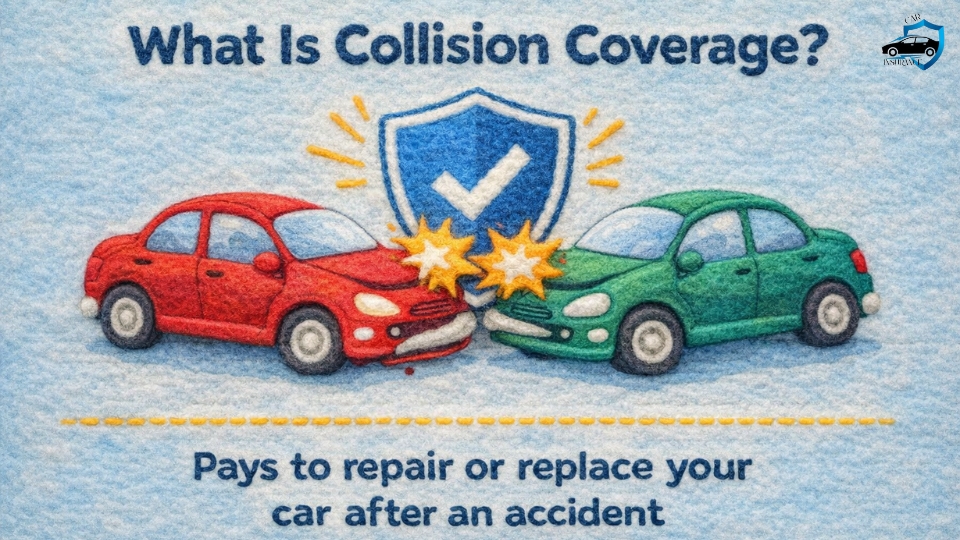
Know everything about what is collision coverage — what it includes, what it does not, deductibles and costs to decide when to keep or drop it. Get the best of life with this guide on insurance.
Introduction
There are so many terms that you come into contact as a car owner under insurance, and What Is Collision Coverage is one of the most significant yet also misunderstood part about having adequate auto insurance. Lots of drivers do so almost by rote as they sign up for coverage without actually being sure What Is Collision Coverage covers or how it works. This ignorance about What Is Collision Coverage can result in costly errors, wasted money or financial ruin if something happens to you.
The stakes are high. Even a relatively uneventful accident, like a small fender-bender in a parking lot or clipping the curb, can easily rack up thousands of dollars in costs. A more severe crash, one on the highway or involving multiple cars, can expand to tens of thousands of dollars worth of damage in no time. If you don’t have What Is Collision Coverage, all of those costs would be coming straight out of your pocket — a hefty bill for most Americans.
Collision insurance. What Is Collision Coverage serves as a financial safeguard so that you don’t have to foot the entire bill for costly vehicle repairs. With the extended warranty, you pay just your deductible and the rest of the repair or replacement costs get picked up by your insurer. This may save you not only money, but also prevent the stress and uncertainty of a situation that’s already overwhelming.
When you understand What Is Collision Coverage — and isn’t, how it works and when it should stay (or go), you can make informed decisions about your insurance. It allows you to make informed choices depending on what your car is worth, how much you drive and how tight (or loose) money is. By getting to know What Is Collision Coverage, you won’t be unprepared and can relax knowing that your car, your wallet and yourself are all adequately covered.
Plus, understanding the way What Is Collision Coverage works can assist you in shopping for policies and selecting an adequate deductible while also preventing you from paying too much (or not enough) for coverage. How you choose to protect your car: It’s not just about defending it against every danger one can imagine; it’s also about making sure that your insurance is something worth paying for, and something that prepares you for the worst.
In other words, What Is Collision Coverage is not just another option on your insurance form. It can be a key element of driver financial protection — and one that anyone who wants to protect his or her vehicle and wallet should understand. Knowing the nuances of What Is Collision Coverage leaves you well-positioned to enjoy peace of mind, make better financial choices and drive with confidence.
The Origins of Collision Coverage
Collision coverage was introduced as an optional insurance product in the mid-20th century, when car ownership took off and cars grew more expensive. Drivers required protection not only for liability (damage to others), but also damage to their own cars.
Over the years, collision coverage has broadened to include a wide range of occurrences: running into fixed objects, one-car accidents, hit-and-runs and road hazards. Its historical context also explains why it is often thought of as one of the cornerstones of car insurance today.
What Is Collision Coverage?
When you buy car insurance, it typically includes liability coverage paired with a required option that covers damage to your vehicle; this coverage is called collision.
Key Features:
- Safeguards your vehicle against accident damage
- Covers repair or replacement costs
- Complements liability and comprehensive insurance
- Reduces out-of-pocket expenses after accidents
Whereas liability coverage protects against damage to others and their property, What Is Collision Coverage is all about your car.
Tip: You can think of What Is Collision Coverage as a financial safety net that protects you from sudden, expensive repairs.
Varieties of Accidents Collision Insurance Can Cover
A lot of drivers believe collision coverage applies only if you hit another car. In fact, it also guards against:
- Impacts with Fixed Objects: Pole, Barrier, Fence and Wall
- Single-vehicle accidents: rollover, slide on ice, striking a tree
- Road hazards such as potholes, debris and uneven surfaces
- Hit and run accidents: coverage could even apply if the at-fault driver is unidentified
Real-Life Scenarios:
Slipping on ice and hitting guardrail → collision coverage to cover repair costs
Reversing into a pole in a parking lot > covered under collision
Hitting a pothole which causes damage to your suspension→ deductible cost ensued.
Pro Tip: There is no at-fault requirement for collision coverage, so if you drive daily or live in an urban area or a high-traffic corridor, you should consider having this coverage.
What is Collision Coverage When Is Required
Collision coverage is not mandatory, although some scenarios may require it:
- Financed cars: Lenders typically require collision coverage for the duration of an auto loan
- Leased cars: Usually required by leasing companies
Collision coverage is optional for fully-owned vehicles. Always car value, repair costs, and situation.
Example:
New car loan (term 60 months): Collision coverage is mandatory or not required
12-year-old $1,500 car: Out-of-pocket may be cheaper than premiums
Tip: calculate between benefits and cost before deciding.
What Is Collision Coverage Covers
So what does collision coverage cover?
- Other Vehicle Collisions: rear-end, side-swipe, T-bone collisions
- Impacts with fixed objects: Poles, fences, guardrails
- One-car accidents: flipping, hitting a tree, sliding on ice
- Hazards of road: potholes, debris, irregular roads.
- Hit-and-run: covered by majority of policies
Example Scenario:
You swerve to miss a dog, and hit a guardrail. If its your fault, collision coverage will pay for repairs minus your deductible.
Tip:What Is Collision Coverage is especially valuable for those who live and work in congested, slick and tight street areas where fender benders frequently occur.
What is Collision Coverage Does Not Cover Details:
Understanding its limitations is critical:
- Theft / Vandalism → Comprehensive Coverage
- Fire, flood, wind, hail → all perils coverage
- Falling objects → comprehensive coverage
- Animal damage → comprehensive coverage
- Civil disorder or riots → extensive reporting
- Medical bills → personal injury protection (PIP) This type of insurance, required in some states and optional in others, pays for the treatment of injuries to yourself and those riding with you if a crash happens.
- Harm to othe cars→ minimum liability insurance
Example: A tree lands on your parked car — collision coverage would not pay. Comprehensive coverage is needed.
Pro Tip: Pair collision and comprehensive insurance for thorough coverage.
Collision Coverage vs Comprehensive Coverage
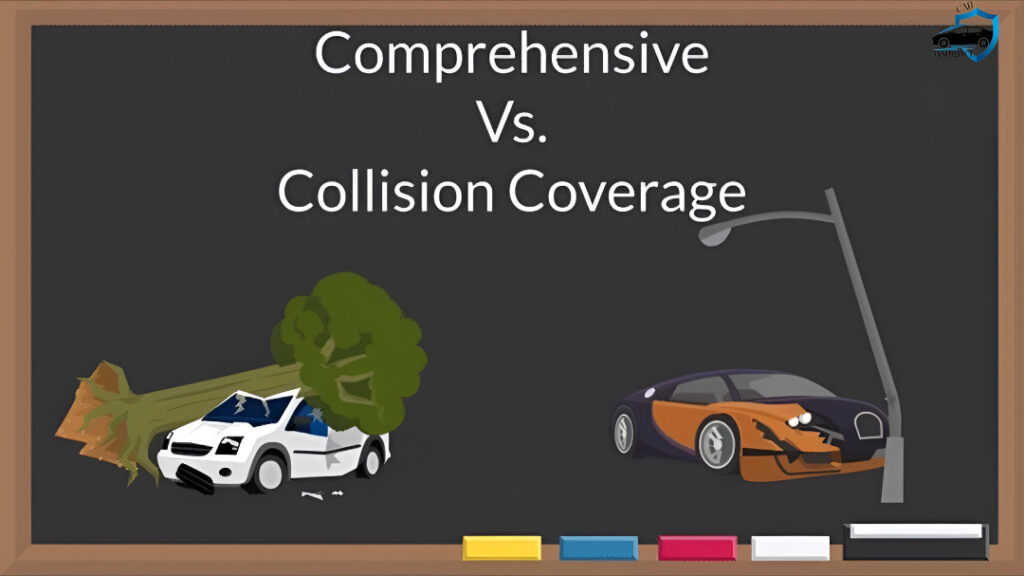
It’s crucial to differentiate between these two:
- ScenarioCoverage Type
- Auto accidentCollision
- Striking a poleCollision
- TheftComprehensive
- FireComprehensive
- HailstormComprehensive
- Animal impact with vehicleComprehensive
Tip: Collision handles driving-related accidents. Comprehensive covers risks you have no control over.
What Is Collision Coverage How Collision Coverage Works
The claims process is straightforward:
- Accident occurs
- Make a claim from your insurance company
- Pay the deductible
- Insurance covers remaining costs
Example:
Repair costs: $5,000
Deductible: $500
Payout: $4,500
Tip: Snap detailed pictures, collect repair estimates and keep records to facilitate claims.
Understanding Deductibles
Deductibles are the amount you pay out of pocket before your insurance coverage begins.
Low deductible ($250–$500): more costly premiums with lower out-of-pocket costs
High deductible ($1,000+): low premiums and high out-of-pocket costs
The perfect deductible combines monthly budget and financial readiness.
Limits of Collision Coverage and Forcing Actual Cash Value
Most collision insurance will pay you up to the actual cash value of your car (ACV).
Repairs surpassing ACV → car might be totaled
Payout = ACV minus deductible
Example:
Car value: $15,000
Deductible: $500
Repairs: $18,000
Insurance payout: $14,500
Tip: Knowledge of ACV makes it easier to have realistic estimates for repairs or replacement.
What is Collision Coverage is Worth It?
When the collision coverage is a good idea:
- Car’s age and value
- Driving frequency
- Ability to pay for repairs
- Loan or lease obligations
Keep Collision Coverage If:
- Your car is new or expensive
- You drive daily
- Repairs would be financially difficult
- You have payments on your car
Drop Collision Coverage If:
- Car is old or low-value
- Repair costs exceed car value
- You have a pad of cash for buying the next car.
Cost-Benefit Analysis by Car Value:
- Car WorthAnnual PremiumDeductibleMy Recommendation
- $30,000$50/mo$500Keep coverage
- $15,000$35/mo$500Keep coverage
- $5,000 $20/mo $500Optional
- $2,000 $10/mo $500Drop coverage
Tip: My recommendation is to weigh that premium against what you could be forking over in potential repairs.
Real-Life Collision Coverage Scenarios
- Urban Parking Accidents: Reversed into in a packed parking lot → collision coverage covers repairs
- Swerving on the highway: Swerving to avoid debris or an animal→ collision coverage pays off
- Sliding In: Weather snow, ice, rain → collision coverage can save you enormous repair bills
- Hit and Run Unknown driver → collision coverage pays to fix your car
Pro Tip: Even if you’re a careful driver, collision coverage will help in preventing the mistakes of other drivers to become your problem.
Maximizing Collision Coverage
- Opt for the Right Deductible Strive to balance premiums against out-of-pocket costs
- Match with Full Coverage: Protect agaist disgusting, weather, fire, water and animals
- Keep Your Car: Avoids small problems becoming costly repairs
- Shop Around for Lower Premiums and Better CoverageCOMPARE PROVIDERS
Expert Tip: When your car gets old, change the collision cover appropriately. It’s good to keep it if you have a high-value car, but older cars may not require it anymore.
When to Shop Around or Skip Collision Coverage
- Year- to year: Assess the value of your car and appropriate coverage.
- After Significant Repairs: Check if insurance remains good value for money
- Cost Vs Risk Analysis: Drop it if premiums + deductible > replacement value
- Car Age: Cars that are over 10–12 years old may be due for removing collision coverage.
Understanding Collision Coverage Costs
Collision coverage costs vary widely:
- Vehicle value
- Driving record
- Location and traffic risk
- Deductible choice
- Insurance company policies
Example Costs:
Newer car: $25–$50/month
Older car: $10–$20/month
Tip: Even a minimum monthly premium can protect thousands if you do get into an accident.
Advanced Tips for Collision Coverage

Regularly review your policies for better deals.
Think of Increasing Deductibles If you have the resources, this would be an ideal time to option for higher deductibles on your plan.
Combine with mansbridge road rescue or rental coverage to complete your protection
Keep a claim-friendly record by reporting accidents timely.
Pro Tip: You can lower your premium charge overages if you are proactive about coverage management.
Final Thoughts
While collision coverage is one of the most valuable optional types of insurance, it’s something that many people underestimate until it’s too late. Where liability insurance protects others from damage you cause, collision coverage protected your own vehicle as one of your most important and valuable assets next to (or even equal to) home.While collision coverage is one of the most valuable optional types of insurance, it’s something that many people underestimate until it’s too late. Where liability insurance protects others from damage you cause, collision coverage protected your own vehicle as one of your most important and valuable assets next to (or even equal to) home. Accidents can happen in the blink of an eye — anything from little parking lot fender-benders to highway pileups — and collision coverage makes sure that you don’t have to foot the entire bill yourself when it comes time for repairs.
One of the greatest advantages to collision coverage is that it’s versatile. It includes all kinds of incidents, such as:
- Accidents involving other vehicles
- Collisions with fixed objects such as guardrails, fence or poles
- Non-contact single-car events such as rolling over, sliding on ice, or hitting a tree
- Hit-and-run cases (unidentified driver at fault)
- Damage as a result of road hazards such as potholes, debris or uneven surfaces
In the absence of collision coverage, any of these hypotheticals could land you out thousands or even tens of thousands for minor-at-first glance accidents. For most people, a single accident can be financially devastating if their car is new or costly.
…And all that the word impliesKnowing what collision coverage wouldn’t pay for is equally important so you can make plans. Even though it protects your car from collision-related damage, a policy that has collision coverage won’t pay for theft, fire, natural disasters, animal damage or medical bills — those are handled under comprehensive coverage, personal injury protection and other parts of the policy. You can create a comprehensive safety net that sacrifices far less cash in the event of nearly any incident by combining collision protection with these other safeguards.
A key part of collision coverage are the deductibles and limits. With a deductible, you pay that amount per accident out of pocket, and with coverage limit, it is often a percentage of your car’s actual cash value (ACV). Selecting the right deductible and knowing your car’s ACV help you strike a balance between affordability and protection. For instance, a high deductible lowers your monthly premiums and raises what you have to cover on your end, while low deductibles translate into higher monthlies but more modest bills when it comes time to file a claim.
“You value your car is new and expensive, you are still making payments on it or if you drive it often all make collision coverage worth considering, because the financial risk of repair or replace the vehicle without insurance coverage could be high,” Gusner says. For older cars with little or no resale value, collision coverage might not make sense because premiums could add up to more than the vehicle is worth. Reviewing your policy periodically and taking into account the value of your vehicle, how you use it and your personal financial situation could help you decide whether to keep, adjust or drop collision coverage.
✅ Key Takeaways:
What is collision coverage?CollisionCoverageInfographic2protons import this infographic If you cause an accident, collision coverage can be a financial lifesaver, assuming you have it.
It applies to an array of accident types, such as collisions with other vehicles, stationary objects or roadway hazards and single-car accidents.
It doesn’t include theft, fire, natural disasters or medical bills — options you might want to consider adding in combination with this bare-bones coverage.
Knowing your deductibles and maximum limits of coverage, you can choose the plan that can service monthly payments as well as reduce financial risk.
By reviewing your coverage periodically, you’ll make sure that your policy fits the value of the car, driving, and financial condition.
In other words, collision coverage is not just an optional extra — it‘s a powerful financial safeguard and peace of mind protector. With it, you can rest easy knowing that should an accident happen – you won’t be stuck with a huge repair bill. It gives you the freedom to concentrate on what is most important: staying safe on the road, keeping your car in great running order and navigating the world without being worried about financial loss.
In the end, being educated about how to choose collision coverage is a vital part of responsible car ownership. Once you understand what it includes, excludes, how much it costs and the way it affects other parts of your insurance coverage, that knowledge puts you in control to manage your money and guard against sudden risks.
FAQs Related to What Is Collision Coverage
1 . What Is Collision Coverage?
Collsion coverage is auto insurance that would pay to repair your car if it was damaged by an accident involving another car or a hit and run,etc reguardless whether you are at fault or not.
2 . What Does Collision Coverage Cover?
Coverage for collisions with other vehicles, as well as objects such as poles or guardrails; rollovers; single-car crashes; potholes (if you swerve to avoid a pothole and crash); and hit-and-run accidents.
3 . What is Not Covered Under Collision Coverage?
Collision insurance doesn’t pay for theft, fires, floods, hail or hitting animals; it also does not cover vandalism, your own medical bills or damage to do other people’s cars. These do need full coverage or liability insurance.
4 . Is Collision Coverage Required?
You are not legally required to have collision coverage, but lenders and leasing companies often require it if you finance or lease your car.
5 . When to Get Rid of Collision Insurance?
You can let go of collision coverage when your car is worth very little, repair costs exceed the car’s value or you have enough money to replace the car without help from an insurer.