
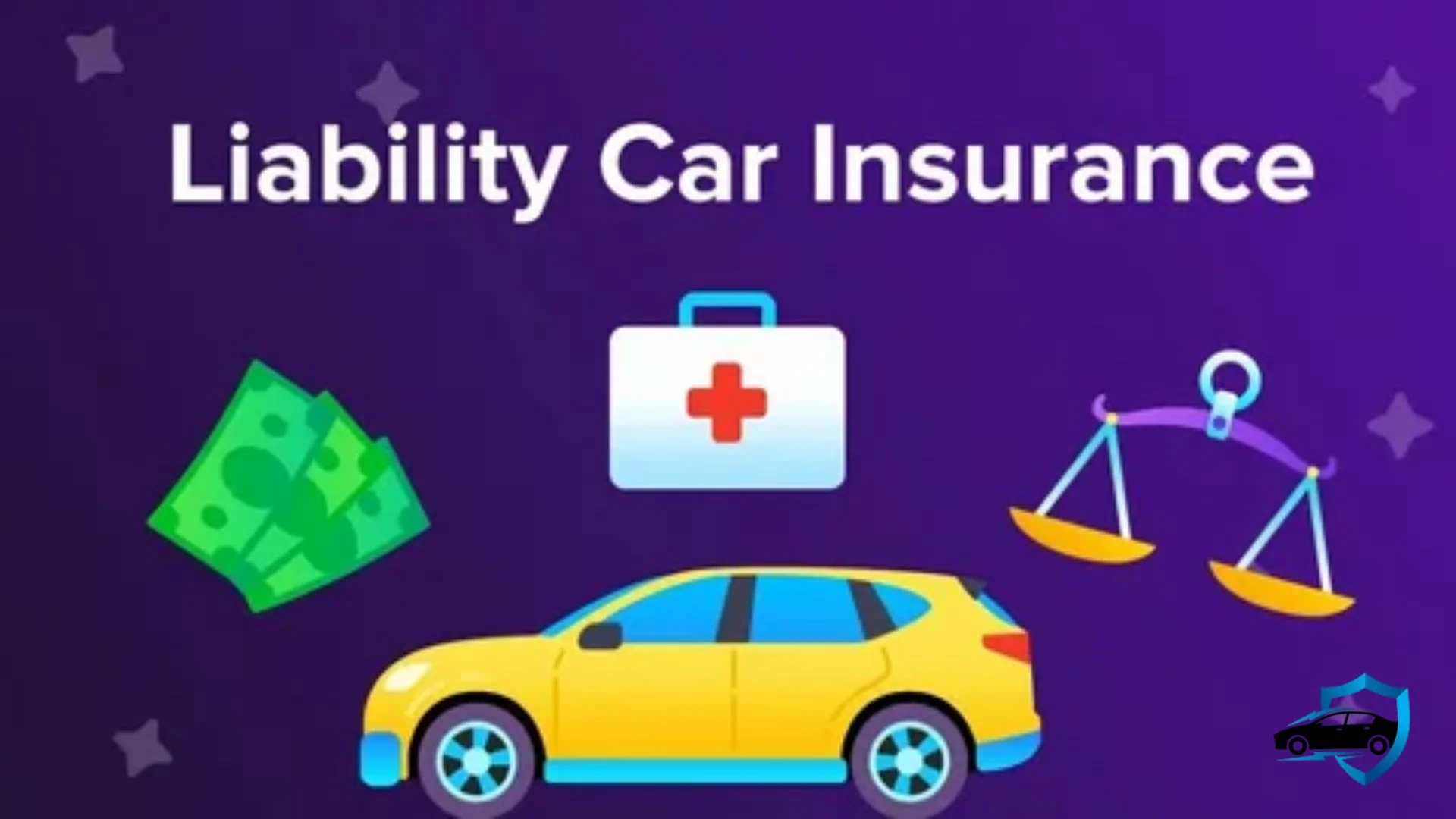
A detailed guide explaining the liability insurance definition, how claims and legal defense coverage work, major types of liability insurance, coverage limits, exclusions, and practical examples that show why liability protection is essential today.
Introduction
When most people think of insurance, their minds typically jump straight to car crashes, storms that damage their homes or medical emergencies. These are the types of events that are tangible and immediate — things you can see or sense in real time. The least noticed, yet essential insurance coverage, may just be liability insurance. While property or auto insurance covers your personal property and vehicles, liability insurance protects you financially and legally when you’re responsible for damage to someone else (bodily injury) or their property. Such a distinction makes it this bedrock for personal and business financial security as well. However, most individuals are unawares that a liability claim can easily come up — from a slip and fall on your property, to more recently purchases for your business failing, to professional tips leading to losses. Without liability coverage, one incident could lead to lawsuits, large settlements and thousands of dollars that can even bankrupt you in some extreme cases.
Simple liability insurance definition, or something deeper, all of them have one underlying defence: To keep your assets safe from damage. For individual, liability insurance can shield you from occurrences where a visitor is hurt on your property, or when you accidentally destroy someone else’s space. For business owners, that means shielding your company from getting sued by clients, customers and employees — or the third parties who are harmed when something goes awry in your operation. Whereas experts in consulting, medicine, law and engineering have specific liability for professional indemnity coverage to cover them against misjudgements or errors in service delivery. The liability coverages tend to become a more critical component at every level of organization as directors and officers of companies can also be sued by shareholders or regulatory bodies, Jackson said. In the end, liability insurance defends you against risks that can originate not just from a misdeed but also from everyday human frailty or serendipitous occurrences that become legally actionable.
Here, we break down the most sensible and widely cited liability insurance definition for you, to help understand what it covers, why its so impactful, and how in particular business owners stand to gain from this cover. You’ll learn how liability coverage works in the real world, different types of personal and business liability insurance, as well as the major factors that play into your need for coverage. You’ll also learn about policy limits, exclusions, and see real examples to better visualize a possible claim. By the end of this guide, you’ll know exactly why liability insurance is such an important tool for shielding your finances and reputation — allowing you to make informed decisions about how much protection would be right for your specific situation.
What Is Liability Insurance? A Clear Definition
A Simple Liability Insurance Definition
- Liability insurance definition:
- Liability insurance is a type of coverage that provides protection if you or your business are legally responsible for bodily injury or property damage to someone else. Instead of using its own funds for compensation, legal defense and/or settlements, the insurer pays these costs (up to the amount limits explained in the policy).
- It differs from other forms of insurance in the following respects:
- Instead, it pays third parties, not the policyholder directly.
- That covers legal bills and judgments for negligence, errors or accidents.
- Deliberate wrongdoing or criminal acts are excluded.
- That definition applies to a personal liability loss on your homeowners policy or business general liability policy covering customer slip-and-fall.
Why Liability Insurance Matters
- Liability insurance matters because:
- Lawsuits are common and expensive.
- Without this coverage, you could be on the hook for costs that amount to tens or even hundreds of thousands.
- Numerous contracts, lenders and regulators require liability protection.
How Liability Insurance Works
The Core Mechanism
- The mechanics of liability insurance are simply about shifting financial risk from you (the insured) to an insurance company. In exchange for your premium:
- When someone makes a claim of injury or damage, you file a claim.
- The insurer does its investigation to confirm that coverage is in appropriation.
- If valid, the insurer may:
- Defend you in court, often appointing lawyers directly.
- A trial lawyer who does Solo practice will invariably receive via mail, such a “suit” on behalf of the plaintiff to settle the claim.
- Coverage for losses, judgments and stipulated settlements will be paid under the terms of limits of the policy.
Claim Process Breakdown
- Something happens — say, a third-party is injured at your premises.
- Will its submitted to your insurance provider
- Start the investigation — find out details, witnesses and evidence.
- A comparison of coverage to your policy terms and exclusions.
- We indemnify and defend – we provide a defence and settle with the claimant.
- So as a resolution — payment to claimant and closure.
When Liability Insurance Applies
- Liability insurance typically applies when:
- Loss occurs within the policy period.
- This is a claim arising from covered events, such as negligence.
- You are responsible under applicable law.
- Your policy language does not exclude the event.
Key Types of Liability Insurance
Liability insurance isn’t one-size-fits-all. Here are the most common types of liability insurance based on our definition.
Public Liability Insurance
- Public liability protects you against being sued by a member of the public who is injured, or has his/her property damaged as a direct consequence of your business or private activities. For example:
- A customer slips and falls in your store.
- An someone stumbles over the gear you’ve set up in a public area.
- This sort of insurance is essential for companies that routinely interact with the public.
Employers’ Liability Insurance
In some countries, you’ll need this coverage if you employ anyone. It helps pay for employee compensation and legal expenses when an employee is injured or becomes ill due to their work.
Product Liability Insurance
- Product liability applies when a product that you have designed, manufactured or supplied causes damage:
- A child is injured by a toy that has a sharp edge.
- A malfunctioning appliance ignites a fire.
- It is normally carried by the manufacturers and distributors.
Professional Indemnity Insurance
- Without getting into the weeds, this is also called errors and omissions (E&O) insurance and covers:
- Note that this service is not available for independent professionals (e.g. consultant, accountant, architect).
- The only time you would have a claim for negligent advice or poor service.
- In service-based industries, this is critical.
Directors and Officers (D&O) Liability Insurance
- D&O insurance is designed to protect a company’s directors and officers against some of the risks of being sued for alleged wrongful acts while managing the company. Examples:
- Shareholder lawsuits for misrepresentation.
- Wrongful dismissal claims.
- This is pretty standard coverage in corporate governance.
General and Cyber/Data Breach Liability Insurance
- Modern businesses store valuable data. Cyber liability insurance helps cover:
- Costs related to data breaches
- Customer notification
- Credit monitoring services
- This is crucial in technology-driven economies.
What Liability Insurance Covers
Typically liability insurance covers the following according to our definition.
Bodily Injury Liability
- Medical bills
- Rehabilitation costs
- Loss of income claims
- Your policy may also cover this part of your policy when someone gets hurt at home and wants to file a lawsuit.
Property Damage Liability
- Those include the repair or replacement of:
- Buildings
- Personal possessions
- Vehicles belonging to third parties
Legal Defense Payments
- Liability coverage often pays for:
- Attorney fees
- Court costs
- Settlement negotiations
- The largest cost of most lawsuits is legal bills, which can easily exceed a judgment against you.
Settlement Amounts and Judgments
If a court finds against you and holds you legally liable, the insurer might pay:
- Court judgments
- Agreed settlements
- up to your policy limits.
What Does Liability Insurance Exclude
What is excluded also matters in a full liability insurance definition.
Intentional or Criminal Acts
Policies exclude:
- Deliberate harm
- Criminal negligence
- Fraudulent acts
- For example: A business owner hides safety risks. Such will not be covered as a claim under the policy.
Contractual Liabilities
If you enter into a contract to indemnify the other party for losses that are not typical under the law, the insurer is unlikely to pay.
Employee Injuries (Without Workers’ Comp)
General liability generally does not cover workplace employee injuries. That’s where:
- Workers’ compensation
- Employers’ liability
- come into play.
Damage to Your Own Property
Liability insurance is for loss you do to others, not for protecting your own assets. For loss of your own property you need:
- Property insurance
- Collision coverage (for vehicles)
Who Needs Liability Insurance?
Individuals
You need liability insurance if:
- You are a tourist destination where people visit (for recreational purpose).
- You have a car (you need auto liability in most states).
- You want to protect personal property from lawsuits.
Business Owners
Every day, businesses risk from:
- Customers
- Employees
- Partners
- Competitors
This only protect you on one monetary attack on your company, not a comprehensive liability protection plan.
Professionals and Consultants
If you provide advice to, or services which affect others, professional liability protects against scrutiny of:
- Negligence
- Inaccurate advice
- Service errors
High Net Worth Individuals
Even nonbusiness owners may need personal liability if their net worth exceeds basic limits found in home or auto insurance policies.
How Much Liability Insurance Should You Have?
Evaluating Your Risk Exposure
To determine coverage levels:
- Take inventory of your assets (home equity, savings, investments).
- Assess sources of revenue and ability to earn going forward.
- Assess risk factors (location, type of industry, size).
Coverage Limits Explained
Liability insurance comes in limits, like this:
- $100,000
- $300,000
- $1 million
High limits mean more coverage for big claims, but they also come with high premiums.
Matching Coverage to Net Worth
As a general rule of thumb, consider coverage that:
- Less than or greater than your net worth
- Protects future earning capacity
- That helps prevent judgments that could result in an asset liquidation.
How are liability insurance premiums calculated
Risk Profile and Industry Type
Insurers consider:
- Your nature of business or personal activity
- Industry-specific claims frequency
- Historical claim data
Claims History
As the claims pile up, so do premium hikes. For a good hand in discounter the end is often rewarded.
Location and Legal Environment
Where you operate matters:
- Premiums may be higher in states or countries where there is a lot of litigation.”
- Areas with high crime or foot traffic can increase the risk.
Number of Employees
If you are worried about employers’ liability, then having more staff increases the risk exposure.
Real-World Examples
Example 1: Worker’s Compensation Slip and Fall in Retail Store
So one customer trips on uneven flooring and sues. Liability insurance may:
- Pay medical costs
- Cover legal defense
- Counsel claims up to its policy limits
- The owner rarely pays out-of-pocket.
Example 2: Errors from consultants with expensive consequences
Fiscal lose advice from a small business adviser The client sues. Professional liability may:
- Pay defense costs
- Cover settlement amounts
- That protects the business continuity of the consultant.
Scenario 3: Injury Caused by a Defective Product
A user is injured by the product of a manufacturer. Product liability insurance helps:
- Pay compensation
- Cover legal fees
- This enables businesses to survive big claims.
Common Myths

“My Basic Insurance Covers Everything”
No. Routine home or auto policies may provide some liability coverage, but they aren’t for all types of claims.
“Lawsuits Only Happen to Businesses”
People also get sued — homeowners and renters, drivers and professionals.
“I’m Careful, I Don’t Need It”
Even cautious people get sued. You don’t need to intentionally commit a crime for an accident to occur or for someone you accidentally injure or kill to sue you for negligence.
How to Choose the Right Liability Insurance
Understand Legal Requirements
Some forms of liability insurance are required, such as employers’ liability or automobile liability. Avoid fines and attain full legal coverage by complying with state or industry mandates.
Work With a Specialist
Insurance agents or brokers can help you decipher complicated language in a policy, and steer you to coverage that fits your risks. They can help highlight any discrepancies you may have overlooked and make sure your policy is as personal- or business-specific as it can be.
Check Policy Exclusions
Always read the exclusions section carefully. Knowing what isn’t covered by your policy can help prevent surprises when it’s time to file a claim, and help you purchase additional coverage if needed.
Consider Umbrella Insurance
Umbrella insurance is additional coverage on top of primary liabilities. This can be particularly useful if your assets, or potential liabilities could exceed normal policy limits providing you needed extra coverage.
Review Annually
Your risks will change as your life or business changes. Review your liability insurance each year, after which you are adding the limits and coverage or eliminating the unnecessary protection.
Assess Your Risk Exposure
Analyze your lifestyle, business and activities that can potentially create liability. For example, high-risk occupations or businesses dealing with sensitive data may need these types of specialized policies: professional indemnity or cyber liability.
Compare Multiple Quotes
Do not accept the first policy you find. Compare quotes for different coverage, limits and premium from all the companies.
Final Thoughts
The liability insurance definition is also a key aspect of your own financial security, and we learn the details here to layer this protection in place. Anyone can be taken by accident or error, and often in the most surprising of circumstances. A slip and fall on your premises, an error in a professional assessment or defective merchandise, should lead to compensation reflected in a legal claim. In these scenarios, without adequate liability insurance, your personal savings, investment or even the future of your business may be at risk. Knowing what liability insurance is, and how it works, allows you to prepare for these kinds of risks and be proactive in taking action to mitigate their potential impact on your life.
Meaning by knowing the details of liability coverage, contacting a prospective insurer with questions to go deeper in issues where you want more clarification and being able to discuss this line item of your policy is a good way that ensures that you’re making decisions that align with what works best for your life or business. As for individuals, it means understanding how personal liability insurance protects you in the event someone is injured or property belonging to 3rd parties is damaged on your premises or through an act. For business owners and professionals, it offers an explanation of how policies such as public liability, product liability or professional indemnity can shield you from potentially costly legal claims and damage to your reputation. It prepares you to select an appropriate policy, one that corresponds to the size of your holdings as well as your exposure to hazards.
This is what liability insurance definition means at the end of the day that helps to feel safe and secure. It really does force you to think about the bigger picture: liability coverage isn’t merely a legal necessity in a lot of cases — it’s also a financial safeguard that helps encourage long-term stability. By taking a little time to know what it does — and doesn’t — cover, how you can choose appropriate limits and where exclusions may be an issue, you can protect yourself, your family members and your business from unexpected costs. Knowing this, you can go through the steps of living a life or running your company and then, if things go sideways, you will have found a shield like liability insurance that envelops you in protection from claims that could sink everything you’ve worked so hard to put into place. It’s not just about coverage, it’s the protection, convenience and peace of mind to grow without fear of hidden risks.
FAQs Related to Liability Insurance Definition
1 . What is liability insurance?
Liability insurance covers the cost of legal claims made against you (or your business) for injury to another person or damage to their property. It assists with legal costs, settlements and compensation claims.
2 . What does liability insurance cover?
Liability insurance generally provides coverage for bodily injury to others, damage to third-party property, legal defense costs and settlements or court judgments resulting from covered claims.
3 . Who needs liability insurance?
Liability insurance is crucial for homeowners, vehicle drivers, business owners and professionals of all types whose actions or property may harm or damage others.
4 . What does liability insurance not cover?
Intentional damage, criminal acts, contractual liabilities beyond policy terms and damage of your own property are not covered under most liability policies.
5 . How much liability coverage do I need?
How much coverage you need depends on your assets, income and risk exposure. To protect your finances, many experts recommend selecting coverage limits equal to or greater than your total net worth.