
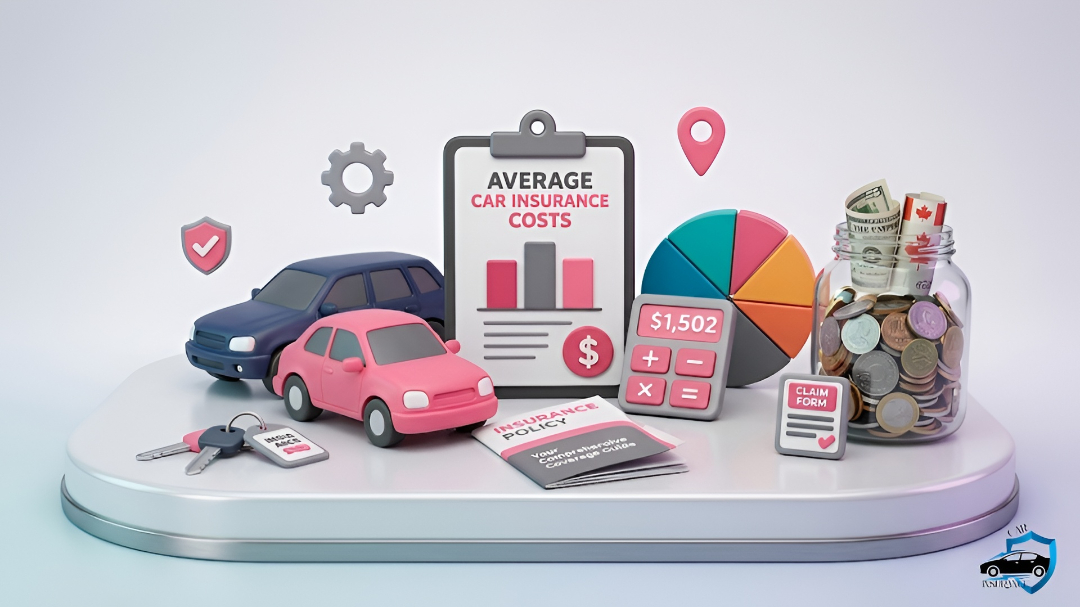
Find out the average car insurance cost by including full coverage compared to minimum liability, and how factors such as age, driving record, credit score, location and vehicle type affect your premium. Learn tips on how to reduce your insurance costs, as well as what coverage types are best for your budget.
Introduction
The average cost of car insurance is what drivers typically spend each year to protect their investment in a vehicle from financial loss. This figure can vary wildly based on the coverage type selected, as well as more personal factors like age and value of your vehicles to a socioeconomic and credit profile. Understanding the average price of car insurance will enable drivers to budget better and select coverage that offers a good compromise between protection and cost.
With the exception of high-risk drivers, most have two primary coverage options: full coverage and minimum liability coverage. Full coverage is made up of collision and comprehensive insurance, which protects your car in the event it’s damaged by accident, theft, a natural disaster or vandalism. So-called full-coverage insurance is generally ideal for newer cars, financed vehicles or higher-value models since it will pay to repair or replace the vehicle after an incident. With full coverage, you tend to pay a higher premium for added peace of mind and protection.
Minimum liability, on the other hand meets the basic requirements of most states but offers very little in the way of coverage. It primarily covers damage to someone else’s vehicles or property and medical bills for others if you’re at fault in an accident. Minimum coverage is cheaper and appropriate for old vehicles that aren’t worth much in the market, however it means if anything happens to the vehicle, it’s out of pocket for repairs or a replacement by the policyholder. Drivers must weigh the lower premium against increased risk that they may have to pay money in an accident.
Other factors also determine the average cost of car insurance aside from coverage type. Driver profile factors — such as age, driving experience and accident history — can also have a big impact on premiums. Typical cost by location Where you live also plays a role, as more dense cities which typically have higher traffic volumes, crime and extreme weather would usually see increased prices. In addition to this, the deductible and policy limits you choose affect premium as well. Opting for higher deductible lowers the premium payments and annual charges, but also means paying more out-of-pocket at the time a claim is filed.
Your vehicle’s features also impact the average car insurance price. High-value vehicles, including luxury models or those with expensive-to-replace repair parts, typically require more comprehensive protection, which increases premiums. On the other hand, older or low-value vehicles may not need over-pricing policies providing various coverage. Insurance companies consider details such as safety features, anti-theft devices and the purpose of vehicle use — personal versus business miles driven.
Knowing average car insurance costs can help drivers decide on coverage that weighs protection against their budget limit. By comparing policy options, reviewing premium amounts and assessing personal risk levels — drivers can discover coverage that fits their budgetary needs while minimizing the annual costs they’ll need to pay out of pocket. The final say, understanding the motivations behind how each element affects average cost will empower drivers to pick a policy tailored for what they drive and their unique needs.
Coverage Type
| Coverage Type | Average Annual Cost | Average Monthly Cost |
|---|---|---|
| Full Coverage | $2,300 – $2,500 | $190 – $210 |
| Minimum Coverage | $600 – $650 | $50 – $55 |
Your rate will vary widely based on your driving history, age, car, location and credit score.
The Impact of Your (And Everyone Else’s) Age on Average Car Insurance Cost
Young Drivers
Insurance providers have classified young drivers, meaning 25 years or younger, as the highest risk group because of their little experience in driving and proneness to accidents. That aggravated risk translates into premiums that are much higher than for older, more seasoned drivers. Insurers charge younger drivers more than older ones for both full coverage and minimum liability coverage, based on their assessment of the likelihood that the driver will file a claim.
| Age | Full Coverage | Minimum Coverage |
|---|---|---|
| 20 | $4,712 | $1,308 |
| 25 | $3,200 | $850 |
Driving infractions, past claims, even location can contribute to higher premiums for young drivers. Some insurers offer discount programs that can help lower those costs based on good grades, completion of safe driving courses or defensive driving is the certification. Having the right deductible and option selections can save you money while making sure that you are properly covered.
Middle-Aged Drivers
As drivers get older, usually in their 30s and 40s, insurers view them as lower-risk than younger drivers. At this point in a driver’s career, they usually develop safe habits when behind the wheel, have zero accidents and know more about road safety. That means lower premium rates and, in general, they converge with the national average for full- and minimum-cover.
Middle-aged drivers can typically earn more discounts based on safe driving history, vehicle safety features and bundle options with a homeowners or other insurance policies. People in this age range can also make decisions about coverage (e.g., raising or lowering liability limits; adding optional riders) with strategic objectives, balancing cost and reasonable protection.
Senior Drivers
Drivers over 60 years of age may actually find themselves returning to cheaper insurance rates, courtesy of decades of driving experience and record of safe driving. After age 70, though, premiums can be higher again. Insurers consider slower reaction times, the declining ability to see (and react), and the increased chances a person in that age group will be involved in an accident.
Older drivers can save money by selecting policies that are geared toward older drivers, such as limited mile coverage or higher liability coverage. Maintaining a clean driving record and using multi-policy discounts can offset higher rates, and the optional coverages around roadside assistance or accident forgiveness could offer additional savings.
Driving Record and Its Impact
You’ll generally pay less for the highest rates with a clean driving record.
Minor Violations
For instance, speeding tickets can increase full coverage cost by about 28%. Even the tiniest of offenses may still be on your record for 3–5 years.
Major Violations
DUIs, at-fault accidents and reckless driving charges can almost double your cost for years.
| Violation Type | Full Coverage | Minimum Coverage |
|---|---|---|
| Clean Record | $2,315 | $621 |
| One Speeding Ticket | $2,968 | $794 |
| One At-Fault Crash | $3,436 | $908 |
| One DUI | 4,369 | 1,200 |
Understand Interpreting Negative Credit History and How It Can Impact Insurance Price
Most states permit insurance companies to use a credit-based insurance score to forecast the likelihood of future claims. This score reflects your credit history — whether you pay on time, how much of your available credit dheyou are using and the amount of debt you have. Those with a less-than-stellar credit report may be deemed risky drivers, prompting many insurers to penalize them by raising rates a staggering 69% when stacked next to solid drivers.
Such a credit history is seen by insurance companies as an indicator of defaulted behaviour on your part which, in turn, leads to less claims and lesser cost for the policy. Conversely, a low credit score signals more potential risk, and therefore insurers will quote higher premiums for both full coverage drivers and minimum liability applicants.
Tips to Reduce Credit-Based Costs
- Pay bills on time –You get credit score rewards for consistently meeting payment deadlines.
- Maintain low credit utilization – Using a small percentage of available credit requires responsible use.
- Check credit reports for mistakes — Correcting errors could raise your credit score and reduce premiums.
- Payment history – Paying your bills on time strengthens your insurance profile as it builds a positive credit history.
- Also note that some states — like California, Hawaii and Massachusetts — do not allow insurers to use credit history to set premiums. While residents in these states won’t see increase for reasons based on credit factors, other components like driving record, vehicle and coverage type will still trigger rate changes.
Either you save money with a low-cost vehicle insurance plan or go for an adequate cover but still create a fail-proof fiscal plan of monitoring and working on your credit report.
State and Location Effects

Your place of residence affects the average cost of car insurance, thanks to variations in legislation, accident and theft rates.
Cheapest States
- Wyoming: $1,148/year
- Vermont: $1,484/year
- New Hampshire: $1,555/year
Most Expensive States
- Louisiana: $4,481/year
- Florida: $4,064/year
- New Jersey: $3,835/year
City-Level Variation
Areas with high traffic volumes or theft rates draw higher premiums within states as well. ZIP code-specific estimates are recommended.
Car Type and Insurance Cost

The make and model of car you drive significantly affects average car insurance prices. When setting premiums, insurers take factors into account like repair costs, safety ratings, risk of theft and overall vehicle value. By understanding the relationship between these two factors, you can make informed choices about your insurance options and budgeting.
Factors Considered by Insurers
- Repair Costs– Vehicles that have high-cost parts or necessitate specialized labor are generally more expensive to insure. That includes luxury and sports along with some electric vehicles.
- Safety Ratings: Vehicles with sophisticated safety systems, or vehicles noted for crash protection or high safety ratings may qualify for a lower premium as they reduce the possibility of challenging claims.
- Theft Risk — Higher costs for insurance on because they are stolen more often or look to be particular parts targets. In some cases, anti-theft devices can reduce these rates.
- Vehicle Value – Greater market value also leads to greater full coverage premiums, as it increases repair or replacement costs in the event of a total loss.
Average Full Coverage Premiums by Vehicle
| Model | Full Coverage Cost | Insurance as % of MSRP |
|---|---|---|
| Subaru Outback | $1,512 | 5.3% |
| Toyota Camry | $1,822 | 6.9% |
| Tesla Model 3 | $2,296 | 5.7% |
| Jeep Wrangler | $1,617 | 5.2% |
| Ford F-150 | $1,651 | 4.9% |
Luxury, Sports Vehicle & Electrical Automobiles
Luxury and high-performance vehicles generally run higher-than-usual premiums due to costly repair, expensive replacement parts and increased potential for theft. In particular, electric vehicles can cost more to insure because the expensive battery will need replacing and components are specialized technology. The cost of covering these vehicles also reflects levels of depreciation and market demand, insurers said.
Evaluating vehicle type and coverages can help you select a policy that makes sense for your protection vs. cost needs. Choosing a car with good safety features, affordable repairs or theft deterrents can all help lower your premiums while still keeping you adequately protected.
Insurance Companies and Average Rates
| Company | Full Coverage | Minimum Coverage |
|---|---|---|
| Allstate | $3,163 | $795 |
| GEICO | $2,053 | $494 |
| Progressive | $2,057 | $616 |
| State Farm | $2,123 | $498 |
| USAA* | $1,560 | $349 |
*USAA is open to military families, veterans and some federal workers.
How Gender Impacts Insurance Rates
| Age | Men Full Coverage | Women Full Coverage |
|---|---|---|
| 20 | $4,712 | $3,868 |
| 30 | $2,394 | $2,358 |
| 35 | $2,315 | $2,295 |
Seven states — California and Massachusetts among them — ban gender-based pricing.
Enjuris Freyjes introduce forenames occupation, marital status and other personal factors
How To Lower Your Average Car Insurance Price
- Safe Driver Discount — For claims-free records
- Multi-Policy Discount — Sign up for auto and home or renters insurance
- Good Student Discount – In most cases, individals that excel in academics
- Low Mileage Discount – If you drive less than average
- Telematic Programs – Usage based insurance or pay as you drive
Having these discounts applied can be a huge contributor to lowering your annual premium.
Guidelines for Shopping the Cheapest Car Insurance
Compare quotes annually
- Shop around: Compare prices from various insurers, including regional ones
- Take significant life changes (marriage, changing address, buying a new car) as an opportunity to seek policy adjustments
- Readjust your standing three years and five years after the accident or traffic violations
- Use Internet-based calculators and estimators based on your ZIP code
How Age Affects Premiums
With car insurance, getting older often pays off in savings because rates tend to drop for those who take to the wheel for many years. Drivers in their 60s and early 70s generally pay less than younger individuals, but premiums may rise again after the age of 75 on account of slower reflexes and increased likelihood of accident.
Tips for Seniors to Save
- Take senior or defensive driving courses
- If you’re combining auto with home insurance, check for multi-policy discounts
- Maintain a clean driving record, to be eligible for “good driver” discounts
General factors that affect the cost of car insurance by gender
Do Men and Women Pay Different Prices?
In most states, young men pay more for full coverage than young women do because insurers regard them as higher-risk drivers — especially younger drivers under age 25. After the 30s, the differences in premiums by gender are generally minor. Some states go so far as to prohibit gender-based pricing entirely.
Dealing with Gender-Related Variations in Premiums
- Young Men Qualify For Savings With Driver Safety Courses
- Bundle policies to offset premiums
- Choose vehicles that are less costly to insure
The Great Cost of Car Insurance for Married Couples
How Marital Status Impacts Rates
Actually, married drivers are generally less accident-prone than single members of the same demographic group, and insurance companies know it — that’s why they offer them lower quotes. Married couples, particularly if one or both have multiple cars, could qualify for multi-car or multiple household discounts.
Ways Couples Can Reduce Premiums
- Combine with one insurer for multi-policy pricing breaks
- Maintain clean driving records and also spend less
- If you can afford them, consider higher deductibles
Average Cost: City Vs Country Drivers
How Location Influences Premiums
In general, living in a denser urban area has higher premiums due to more traffic, accidents and thefts. Vice versa, rural drivers tend to be less congested and file fewer claims which earns them lower rates.
Tips for Location-Based Savings
If you’re driving fewer miles in more rural areas, consider telematics or usage-based insurance
- This last tactic: Get quotes from insurers that offer regional discounts
- How you park your RVs: Maintain security to cut premium increases due to theft.
Long-Term Trends
There are several reasons that car insurance rates are rising:
- Increasing repair costs
- Higher accident claims
- More advanced car technology
- Greater EV adoption
That is where telematics and usage-based insurance programs can help lower rates on safe drivers.
Common Misconceptions About Car Insurance

- You can skimp on insurance: Only as long as you don’t mind buying your car if it’s totaled.
- Your friend’s rate will not apply to you: Every policy is underwritten individually.
- Some older models are costlier to insure because of their repair or theft risk.
Final Thoughts
Several factors, some of which are related to each other affect how much car insurance costs on average. The driver’s age, driving history and credit score also play a huge role, as do the type and value of vehicle that they drive and their geographic location. Knowing exactly how these factors affect what insurance providers will charge you for coverage can help you find the right coverage at the best possible rate.
Age affects premiums because insurers classify drivers under 25 as higher-risk, on account of inexperience, and rates for senior drivers might vary based on reaction times as well as an accident likelihood. A clean driving record with few accidents and responsible driving habits will also help you save on insurance over time. Similarly, credit history is relevant in several states, since insurers use it as a measure of financial responsibility and to better predict risk. Your premium rates may be less if you have better credit, low levels of debt and on-time payments.
The type of vehicle you drive can also impact cost. In general, insurance premiums are higher for cars that can be easily repaired or that have an expensive running cost or high risk of theft. Which driver safety gear, crash protection and anti-theft technology earn good discounts or lower rates. Where you live also factors in — places with heavy traffic, accidents or theft risk probably lead to higher premiums than low-risk areas.
It may also make sure that costs are well-managed by comparing quotes from various insurers and reviewing policy options thoroughly. Multi car insurance, good driving and adding safety features to your vehicle(s) should reduce yearly premiums. As long as you keep coverage levels in line with the minimums you need to stay well protected, your deductible reasonable and the balance between full and bare-bones coverage close to the sweet spot, you’ll remain put while getting all of the protection that you’re paying for.
Knowing what impacts average car insurance cost better prepares drivers to maximize their policies for both financial safety and peace of mind. Considering personal risk, then vehicle characteristics and policy features take you to the coverage that helps protect your automobile, finances and peace of mind. A few minutes of planning, evaluating the options available to you and updating your insurance on a regular basis will save you money in your pocketbook but also ensure that whatever comes your way, you have appropriate level of protection.
Ultimately, understanding how all of those factors interact will help you make informed decisions, maintain your premiums and ensure assuredness that your coverage will protect you when accidents or unexpected events occur. A bit of planning ahead and a good grasp of the insurance industry can do to help you strike just the right balance between cost, coverage and long-term financial security.
FAQs Related to Average Car Insurance Cost
1 . How much does car insurance cost on average?
Full coverage car insurance costs an average of $2,300 to $2,500 per year and minimum coverage averages $600 to $650 a year — but it depends on your age, where you live, driving history and what kind of vehicle you drive.
2 . What’s the difference between full coverage and minimum liability insurance?
Full coverage means collision and comprehensive coverage on your own vehicle. Minimum liability protects only others you hit in an accident, from damage to their cars and bodily injuries.
3 . This is why younger drivers have to pay more for car insurance?
Younger drivers (under 25): A young driver has less experience getting behind the wheel compared to older ones, making them more prone to accidents, resulting in much higher insurance costs.
4 . How my driving record impacts car insurance price?
A clean driving record helps keep premiums down; violations such as speeding tickets, accidents or DUIs can raise the cost of insurance considerably for a number of years.
5 . How can I reduce my car insurance premium?
You can lower your premium by keeping a clean driving record, bundling policies, selecting a higher deductible, qualifying for discounts and improving your credit score.