
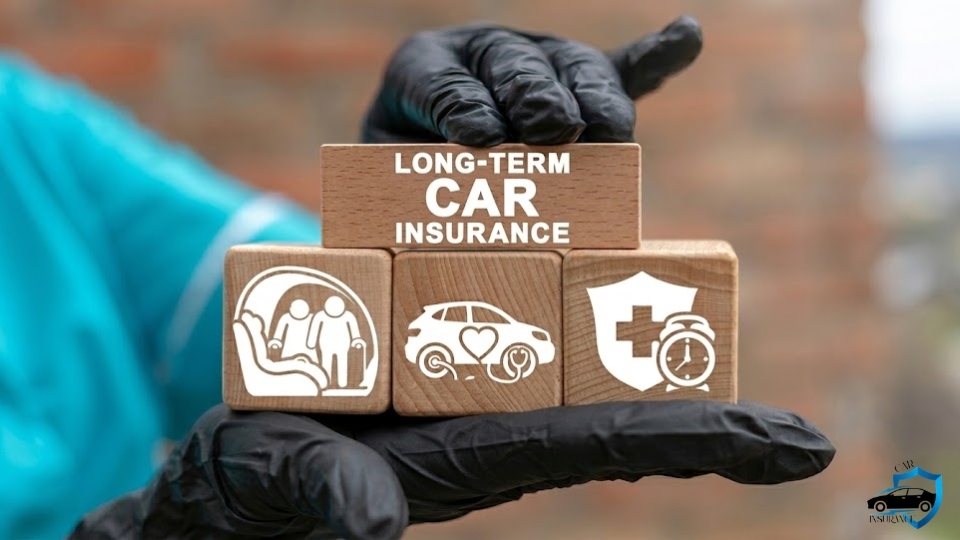
Discover everything about long term car insurance, including coverage options, policy types, costs, and key benefits. Learn how to choose the right plan to protect your vehicle and manage financial risks effectively while securing your future and avoiding unexpected repair or liability expenses.
Introduction
Opting for long term car insurance is one of the most important steps that you take in terms of your financial security and protection while driving in the future. As vehicle costs goto skyrocketing and also accident charges shoot up, long-term auto insurance should be planned for. Understanding the various types of policies, what triggers coverage and what benefits you will receive helps protect your finances and vehicle. It also ensures you and your car are covered in the event of accidents, theft or damage. Beyond providing financial protection, effective planning can reduce the stress following an accident and help you cope with surprise repair and liability expenses. By doing some preparation you can make more informed decisions related to the types of coverage that you may need in the future and avoid unneeded expenses.
In this guide, we cover important topics meant to help you decide if long term car insurance is right for you. You’ll discover what car insurance really is, from the type of coverage you may need for damages, liability and vehicle safety. We’ll explain how various types of insurance function, from traditional policies to hybrid varieties that provide coverage as well as additional financial benefits. Understanding deductibles, coverage caps and premium adjustments can better enable you to evaluate if a policy will work in your individual circumstances. We also explain the cost, including how premiums vary based on your age, driving record and vehicle type. By knowing the pros and cons of each option, you can weigh any benefits and drawbacks to determine what is best for your financial plan.
This guide also guides you through the process of choosing the right policy for you, based on your driving needs and vehicle type and use patterns. You’ll get practical tips for how to evaluate coverage, compare premiums and select a policy that strikes a balance between affordability and protection. Doing this out upfront will keep you financially healthy and help make sure your vehicle is safe, as well as reassuring you and your family. By the end of this guide, you’ll understand what long term car insurance is all about, how it works and how to create a plan that fits your financial goals, risk tolerance and personal situation.
In conclusion, this resource broadens the perspective of car insurance that goes beyond basic coverage. We also discuss how to pay for damages, other options besides regular car insurance, including savings, bundled policies and extended coverage plans. You will discover how to include insurance planning in your financial plan so that you can protect your money, choose appropriate coverage and shield yourself from unforeseen hazards. You get to make decisions with clarity by learning more about each element — deductibles, liability coverage, collision protection and comprehensive coverage. If you implement these now, you can prepare for the future and avoid further financial stress.
Long Term Car Insurance: What It Is and Why You Need It
So What Is Long Term Car Insurance?
Long term (car) insurance basically refers to the long-term cover of your vehicle and financial liability. It protects against common risks including accidents, theft, natural damage and third-party liability.
This coverage may include:
- You do that to your car, fully insured.
- Accident damage repairs
- Third-party liability coverage
- Theft and natural disaster protection
When people hear “insurance,” most of them think about the basic insurance policies. However, in addition to a most defined period, extended coverage is the benefits of long term car insurance.
Reasons For Having Long Term Car Insurance
The data don’t lie: A significant number of drivers experience crashes or car damage at some time. Car repairs and liability costs can be expensive — much more than basic coverage can take care of. The long term car insurance pays out as needed to cover this so you are not dipping into savings or being financially pressured
The way long-term car insurance works

Eligibility and Coverage Triggers
The majority of long term car insurance policies will provide you with benefits, after you reach certain conditions:
- You’re in a crash or covered event
- Theft, damage or covered risk to your vehicle
Policies also usually include a deductible — how much you have to pay before insurance will pay the rest.
Reimbursement vs. Direct Payment Policies
Some car insurance policies are reimbursement-based, meaning you initially pay the cost of repairs then are reimbursed after. Some pay repair shops directly. Payments via direct transfer” are usually more convenient, but they may depend on providers in the network.
Types of Long Term Car Insurance Policies

Because of varied needs, budgets and preferences, different drivers have used the three major types of long term car insurance. Knowing these options allows you to decide which type of coverage is appropriate for your circumstances.
Traditional Car Insurance
Standard plans can only protect from vehicle-related risks. You typically choose:
- Limit coverage — maximum amount paid for damages
- Policy term – the length of coverage (1 year or longer renewals)
- Deductible — the amount you pay before coverage kicks in
You pay a monthly premium, and you file claims when something goes wrong. Unused coverage generally isn’t refunded if you don’t use it. And traditional plans can also have add-ons for additional protection (or roadside assistance, or better coverage).
Hybrid Car Insurance Policies
Hybrid policies also connect car insurance benefits to another financial product, such as:
- Life insurance — adds financial protection to vehicle coverage
- Investment-linked plans – see insurance plus savings benefits
Hybrid policies allow financial flexibility and may appeal to those who want a mix of protection. However, benefits may have higher initial costs when combined, but reduce long-term risk.
Partnership Programs for Car Insurance
Some programs merge private insurance with government regulations. Key benefits include:
- Financial protection against large claims
- Coordination among insurers and regulatory systems
These programs are useful for those who worry about exorbitant accident or liability costs.
Group vs. Individual Policies
Group Policies:
- Typically offered through employers, associations or companies.
- Group coverage could lower premiums
- Coverage terms may vary
Individual Policies:
- Purchased directly from insurance companies.
- Stronger consumer protections.
- Adaptable in the choice of coverage limits, deductibles and add-ons.
Short-Term Car Insurance
Temporary car insurance, as the name suggests, covers you for shorter periods of driving.
- Ideal for interim vehicles, rental or short term.
- They have lower premiums than long term policies.
- Covers only basic liability and limited coverage services
Vehicle-Specific Policies
Other policies are adjusted for particular vehicles:
- Some policies are limited to specific vehicle types, though.
- Luxury vehicle policies – insures high-value cars.
- Commercial vehicle policies – cover driving for business.
- Commercial vehicle operations – private normal use.
- Choosing the correct type ensures that coverage matches your vehicle and use.
Additional Coverage Riders
Most car insurance policies also offer additional coverage options for:
- Accident coverage – covers repair and damage.
- Theft cover — provides for vehicles that are stolen.
- Shared coverage — multiple drivers / one policy.
Add-ons are known to raise premiums, but they offer enhanced protection from certain risks.
Inflation-Adjusted Policies
Inflation-related adjustments can gradually increase coverage limits to keep pace with rising repair and replacement costs. Options include:
- Coverage increases periodically
- Fixed percentage increase in coverage
Of course, these factors provide a sufficient level of ongoing protection as car prices continue to climb.
The Article Long Term Car Insurance Costs Explained

What Drives Premium Prices
LONG TERM CAR Insurance Premium Factors:
- The age when the policy was purchased
- Your risk profile and driving record
- Coverage limit selected
- Policy duration
- Deductible amount
- Whether additional protection is included
- Drivers who are younger and have clean driving records, as a rule, pay lower premiums.
Example Cost Breakdown
A couple in their 50s might pay annual premiums much less than their counterparts in the same group but aged into their 60s. Waiting to buy could cost you dearly or make qualification more difficult due to driving experience or risk factors.
Inflation and Repair Cost Growth
The cost of car repairs and replacing a vehicle tends to outpace general inflation. The policies may involve adjustments in coverage to reflect new, increasing costs. That raises premiums but preserves the value of your coverage.
What Long-Term Car Insurance Does and Doesn’t Cover
Coverage Included
Long term car insurance typically covers protection that assists with your vehicle and liability damage. Covered services often include:
- Accident damage repairs
- Liability coverage for third-party damage
- Theft protection
- Natural disaster damage
- Roadside assistance (in some plans)
Geographic and Coverage Limits
Policies differ a lot in the scopes where coverage applies and if there are certain service providers that should be used. You need to evaluate where and how your policy will work.
The Benefits and Drawbacks of Long Term Car Insurance
Benefits and drawbacks are given below seperatley:
Benefits of Buying Coverage
Protects your savings
Long term car insurance protects your finances by paying for costly accident damages, repairs, or even replacing a vehicle. However, without proper coverage a single event could mean paying thousands out of pocket and emptying your bank account. The best years were often filled with optimism and joy, but thereafter you would often face financial challenges in then so an extent such that your savings account might not reach that you hoped, this said bringing a long-term policy to defend one from such scenarios thus being financially secured avoiding unexpected occurrences helping save for other things in life too.
Reduces financial stress after accidents
Accidents can hit your emotional as well as financial status hard. By covering repair costs, medical expenses, and liability claims, long term car insurance reduces this financial burden. This will allow you to focus on recovery and resolution rather than looking to cover sudden expenses. This gives you peace of mind and confidence knowing that you are covered on the go.
They have entire maintainability and entrance to information points.
Long term policies generally offer better tracking, documentation and structured mgt of your claims and coverage details. It can also enables policyholders to retrieve their own information and circumstances as well as make more informed decisions over time. This is also necessary not only for the maintainability of policies but also to be as open as possible.
Helps prepare for unexpected car expenses
Car expenses can come up at any time, be it due to accidents, natural elements, and anything mechanical. Long term car insurance helps you better get ready for these unforeseen expenses by guaranteeing that aid financia is present when required. Such a proactive manner facilitate better financial planning, preventing sudden shocks in the pocket.
Drawbacks and Limitations
Buy late, pay more premiums
Giving up on long term car insurance can lead to lower monthly premiums. As things like age, driving history and risk profile change over time, this can mean insurers charge more for the same level of coverage. Shopping early often helps lock in lower rates and better terms.
Some policies become pricier as time passes
Some policies, like auto or home insurance, may have premiums that increase over time due to inflation impacts like higher repair costs or changes in risk factors. Coverage might also improve, but an increasing cost can become a millstone if it is not planned. Regularly reviewing policies keeps them affordable.
You can be eligible based on your driving history
Your driving record is evaluated by insurance providers before they can offer you coverage. Previous accidents, traffic violations, and claims may affect your eligibility or increase premiums. That means not everyone might get the best of plans, and you must have a clean driving record.
You might never need to make the most of the coverages
One of the typical worries about long term insurance is that you could pay premiums for decades without filing big claims. You may see this as a setback, but it also means you’ve skirted major risks. But for some, it can still seem like underuse of the policy.
How Government Rules Are Influencing Long Term Car Insurance
Regulatory Coverage
The government mandates basic liability coverage in many areas. They do not address total vehicle loss, but provide minimum levels of protection.
Insurance Support Systems
Certain systems assist with claim and coverage requirements. With long duration, you shouldn;t have to worry about a minimum cover policy.
Special Benefits
Depending on the eligibility criteria (i.e.: safe driving or professional status), some drivers may qualify for benefits and discounts.
How to Decide When to Buy
Timing Matters
Most experts recommend purchasing car insurance early, when the premiums are still affordable and risk factors are low.
Waiting increases:
- Costs
The likelihood of risk history resulting in higher premiums
Working With Financial Advisors
The long-term car insurance will fit the best in your financial planning, savings goals and risk level with a little assistance from a financial advisor.
Choosing the Right Policy
All Your Questions Before You Buy
- What is the coverage limit?
- How long will the policy be in effect?
- What deductible is required?
- Is the extended protection part of the policy?
- Are there risk-based eligibility requirements?
- What does it cover: The type of damage and incidents.
Comparing Policies and Premiums
Shop around for different insurers, compare premiums and benefits, factor in vehicle-related costs where you live.
Understanding Terminology
- Deductible
- This is the paying before insurance coverages.
- Coverage Limit
- This is the highest amount that the policy will cover for damage or loss.
- Total Maximum Coverage
- The benefit limit you can get under the policy.
- Coverage Adjustment
- Covers increases in repair and replacement costs over time.
Real World Costs Without Insurance
Vehicle-related costs can be high. Annual expenses may include:
- Accident repairs: $5,000+
- Major damage: $15,000+
- Vehicle replacement: $30,000+
Without insurance, these expenses can deplete your savings or compel you to liquidate assets.
Tips for Long Term Car Insurance Planning

Start Early
A little advance planning gives you a lot more time to compare options, manage costs and select better coverage.
Don’t Overbuy or Underbuy
Select coverage that aligns with your financial strategy. Too little raises risk, too much can hurt your budget.
Consider Hybrid Options
Hybrid policies merge vehicle protection with additional financial benefits to protect your investment.
Driving and Emotional Considerations
Long term car insurance is not only a cost. It can:
- Reduce stress after accidents
- Provide peace of mind
- Help you manage unexpected situations
- Help you to make better saying of the repair options
Final Thoughts
Choosing long term car insurance is a matter of personal and financial choice that affects your financial plan, savings security and overall protection. That is not a one-size-fits-all solution. The right coverage is different for everyone and depends on your age, driving habits, type of vehicle and personal priorities. But knowing about different policy options can strengthen your long-term financial security.
Taking a deeper dive into what car insurance does cover — like damage done to your own vehicle in an accident and protection against vehicle theft — can give you insight into the risks you might encounter over the long term. Knowing how policies function — coverage triggers, limits, deductibles and so on — helps you select plans that reliably protect against accidents and losses.
Presumed, coverage modification and the duration of a policy are other significant elements that affect cost over time. Understanding these helps you to find financial planning and protection against the coverage necessary. Adding on extra protection — whether roadside assistance or extended coverage — can support your long-term needs and enhance your policy’s value.
That’s where professional advice comes in to choose between standard or hybrid policies. Advisors do help place coverage in line with your financial objectives, risk tolerance and need for protection. By planning early, you will have peace of mind while being able to access reputable services.
Regardless of whether you choose a traditional policy that will guarantee constant coverage, or another hybrid type of option offering multiple benefits, appropriate planning is the key to securing your finances and driving safety. By making careful decisions, you can manage your risks and control the costs while also working on a solid safety plan for yourself and family.
FAQs Related to Long Term Car Insurance
1 . What does long term car insurance mean?
Long term car insurance is a coverage that you need to purchase for your vehicle which covers on said damage and theft occur and protects against accidents, theft of the vehicle, natural disasters & third party liability.
2 . What does long time period car insurance entail?
It usually includes coverage for accident damage, theft and third-party liability, as well as benefits such as roadside assistance and protection from natural disasters based on the type of policy.
3 . What influences long term car insurance rates?
The premiums will vary depending on factors like your age, driving history, the type of vehicle you drive, the limits of your coverage and how high your deductible is (as well as any extras you may add to a policy).
4 . How long term car insurance can be beneficial?
Yes, protecting your finances and minimizing stress from unforeseen expenses is important, as is ensuring adequate coverage for your vehicle over the years.
5 . Can I tailor my long term car insurance policy?
Yes, you can generally design your own policy by selecting from coverage limits, deductibles and extras such as roadside assistance, theft protection and comprehensive coverage.